





2026 is the year of going analogue, but is it just another trend of overconsumption or a quiet revival of hobbies and activities that nourish the brain and build fine motor skills?
In 2026, a year seemingly dominated by technological advancements and AI, consumers have taken a sharp U-turn: instead of accepting these new developments, they have revolted by going offline and shifting their perspectives.
According to official statistics by GWI, globally, time spent on social media peaked in 2022 and has since fallen gradually, and in 2026, people decided to use their hands not to scroll on a screen but to create, to immerse themselves in hobbies and crafts that were once seen as uncool.
Similar to the rise of book culture in 2020, the craft culture is back, and it is ready to stay. Whether it be crafts or books, from a cultural perspective for millennials and Gen-Z, these activities were once considered uncool and nerdy; however, now these hobbies are considered almost revolutionary in a world dominated by AI slop and capitalism.
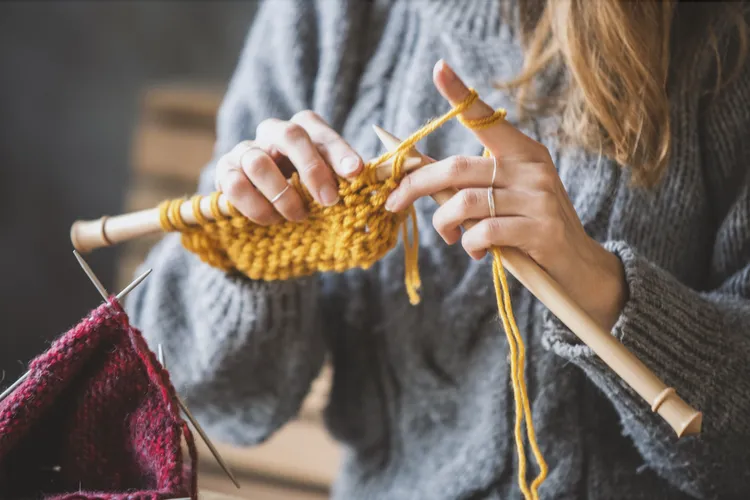
Tactile hobbies, whether it be completing a puzzle, knitting, crocheting, etc., are becoming the new way people spend their spare time instead of doomscrolling. According to the Global Wellness Summit, this trend is considered “analogue-ing on”, a move towards tactile hobbies and handmade crafts that provide feelings of relaxation, lower anxiety, and create a system of earned dopamine unlike what we see on social media.
With the analogue era, we see the rise of “grandma hobbies” making a comeback. Whether it be cross-stitching, knitting, embroidery, or crochet, what was once considered an activity done by elderly women is now becoming a form of self-expression and reflection for the younger generation.
But what does such a trend mean as a cultural shift? Is it simply a passing trend or a major shift in our attitudes towards new technology and building systems of connection that exist outside of said technology?
What started as a trend to touch grass has now become a movement to reclaim time and identity using pre-technological activities. The reason for this rise of arts and crafts is not simply because people are running away from doom scrolling; it is also an act of personality building and emotional connection in an increasingly robotic world.
More and more people are now looking to create personal “lore” and personality beyond looks, work, or lifestyle, but instead curate hobbies and crafting skills that add to their main character lore, and we can see this with the rise of junk journaling and vision board creating as acts of preserving one’s life.
Secondly, these offline hobbies turn into daily rituals that allow people to break away from normal routines, slow down, and take a break. Furthermore, many of these crafts not only add to people’s skill sets but also add to their space. The era of perfect aesthetic spaces is over, with people trading their beige sofas and organised coffee tables for colourful throw blankets knitted by them and coffee tables littered with unfinished crafts, creating a space that feels more personalised and less mass-manufactured.
Especially if we focus on Gen-Z, they are big fans of personalisation in almost everything, and when we mix that with crafts, we get a new generation learning how to make everything from scarves to jewellery to phone cases, etc. The list is endless, and it’s not just confined to them. In the grand scheme of things, then these crafts become gifts, group activities, workshops, learning platforms, and physical events beyond the usual concerts and pop-ups.
If we look at the example of just Karachi, we are seeing a rise in curated workshops, group craft classes, and physical events solely focused on crafts and handmade products, which is a stark contrast to the majorly food and music-focused event culture of the city.
However, even though the trend is of analogue living, we have also seen a rise in social media content about crafts, which creates a vicious circle, and even though these crafts are supposed to be a break from social media, do they still serve the same purpose when we film and post them as content?
Furthermore, these analogue crafts, like handmade products, are a luxury, an activity with the price tag of time, money and lack of speed, which not all people have the ability to give. Doom scrolling, no matter how bad for you, is a free-for-all activity; it provides access to all with no cost, which is a drawback of this rising craft culture.
The rise of crafts and analogue activity is creating a culture that revives activities not reliant on social media or technology, but activities that give people autonomy of how they wish to spend their free time and resources and what they wish to learn and create with their own two hands.
In the age of AI, crafts are an act of control and defiance. An activity that cannot be copied or taken over by AI but instead becomes a craft of taking back your own space, attention span, and time.