





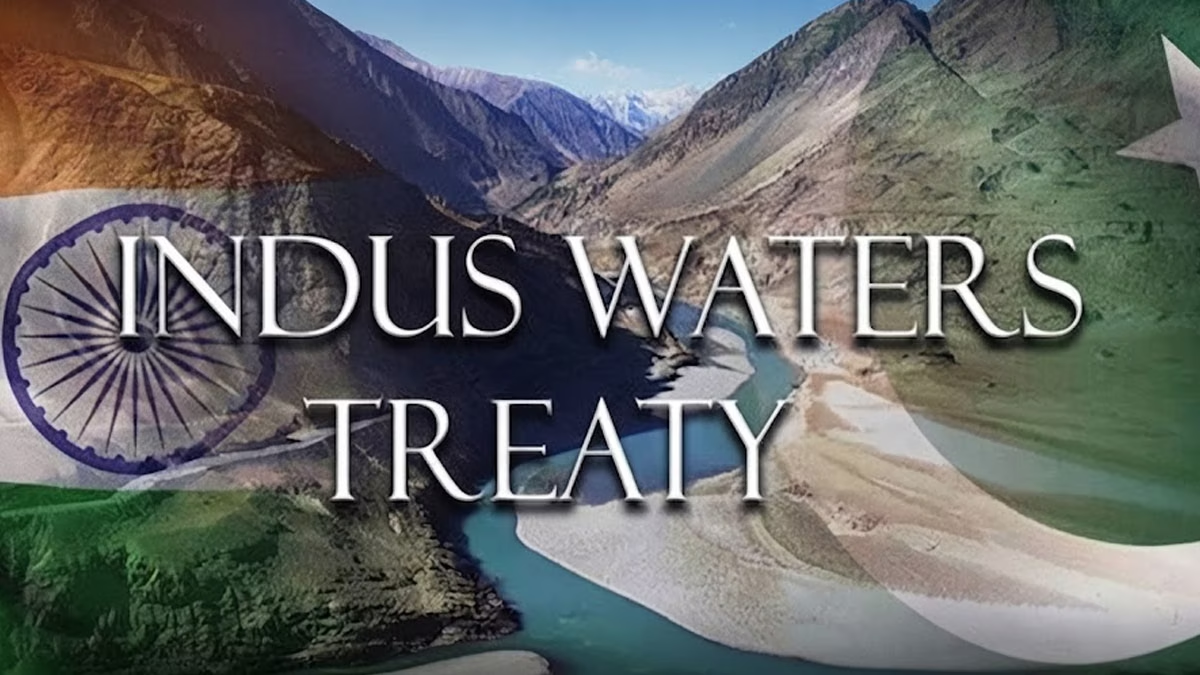
The Permanent Court of Arbitration (PCA) ruled on Monday that India remains bound by the Indus Waters Treaty with Pakistan and imposed temporary restrictions on parts of the Ratle hydroelectric project in Kashmir pending a separate technical determination.
India suspended participation in the decades-old water-sharing agreement in April last year amid heightened tensions with Pakistan. The treaty, signed in 1960, governs the use of the Indus river system and is particularly important to Pakistan, where its waters support an estimated 80% of irrigated agriculture.
Pakistan subsequently pursued legal proceedings over Indian hydroelectric projects in the region, including concerns about work to increase reservoir capacity. The dispute centres on whether the design and operation of the projects comply with restrictions established under the treaty.
The PCA said India could not unilaterally terminate or suspend the agreement and remained subject to its provisions.
“India must observe its obligations under the Treaty, including those relating to the design and operation of its hydro-electric projects on the Western Rivers,” the court said.
India rejected the ruling, maintaining that the arbitration panel lacked jurisdiction over the dispute.
“This so-called Court of Arbitration has no jurisdiction whatsoever to pronounce on India’s sovereign decisions,” India’s Ministry of External Affairs said.
New Delhi added that the tribunal’s decisions would have “no effect on India’s actions” concerning the projects.
A separate World Bank-appointed neutral expert is considering technical questions surrounding the hydroelectric developments and is expected to determine by July 2027 whether their construction complies with the treaty.
Pending that decision, the PCA accepted Pakistan’s request for interim restrictions on the Ratle Hydro-Electric Plant. It said India must not construct the project’s dam wall and power intake structure above specified levels until 90 days after the neutral expert issues his determination.
The Indus Waters Treaty has survived repeated periods of hostility between the nuclear-armed neighbours, including wars and major diplomatic crises, making the current dispute one of the most significant challenges to the agreement since it was signed more than six decades ago.