





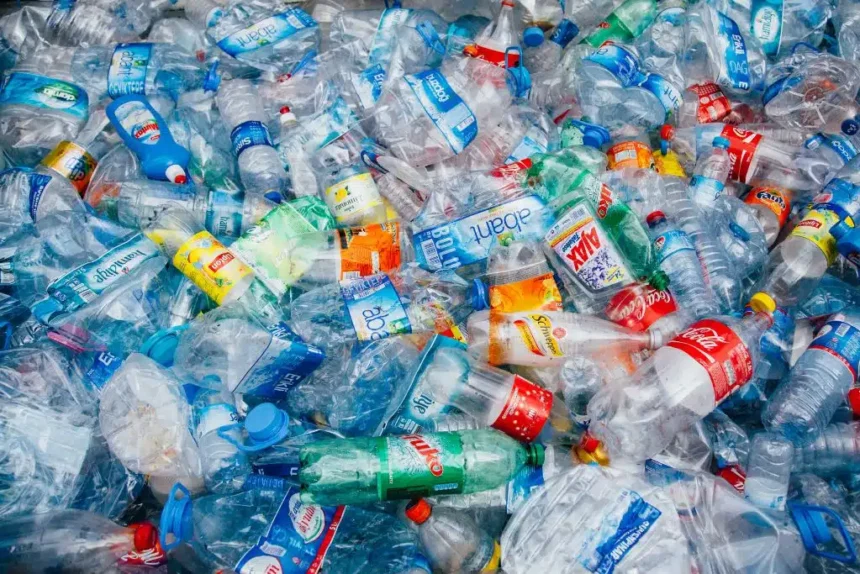
What was once marketed as a cheaper and lighter alternative to glass packaging ended up becoming one of the worst polluters of the contemporary world. The plastic problem affects lives regardless of geographical location. It pollutes our streets, air, seas and food and, according to recent medical studies, our neck arteries, leading to higher risks of stroke or heart attack. WWF Australia reports that plastic packaging, such as bottles, cups, rings, and straws, can take anywhere from 20 to 500 years to fully decompose. This means that there is a high chance that the plastic bottle you drank from will outlive you.
Change Through Incentives
The aforementioned elements have forced environmental ministries of governments around the globe to consider and implement actionable schemes to reduce the amounts of plastic going unrecycled and unseparated. One of such initiatives is the deposit return scheme, or DRS. It is a waste management scheme that is designed to keep plastic and glass bottles out of the environment and relies on financial incentives to encourage the population to return the plastic consumed. The DRS received wide public support and has been extensively implemented in European countries, many of which have reported collection rates up to 90 to 95%. The DRS has different names across countries, but specifically for drink containers, the world’s largest and highest-performing is Germany’s Pfand or Pfandsystem. Since its implementation in 2003, the initiative has resulted in cleaner streets, high-quality recycling, and an increase in refillable packaging.
How the System Works
The German Pfandsystem has three main components involving the manufacturers, retailers, and consumers. First, manufacturers include a deposit in the price of the bottle sold to the retailers and wholesalers. They then place the bottles in their stores, eventually passing the cost of the deposit to consumers at checkout. After consumption, customers return empty containers to retail stores or one of the 48,000 reverse vending machines (RMVs) to receive their deposit back. This system ensures that drink containers are returned separated and uncontaminated from other forms of discarded items, making the refilling and recycling faster and easier. Multiple sources have claimed that refillable glass containers can be cleaned and reused up to 50 times, while plastic ones can go up to 20–25. The same cannot be said for single-use items that are recycled into high-quality, uncontaminated material.
Not all bottles/containers can be returned to the RMVs or other recollection facilities, as only special symbols, labels, and barcodes present in the packaging added by German manufacturers make containers eligible. Refunds are typically €0.25 for single-use plastic or metal containers, while the refillable glass or plastic bottles have a lower return, ranging between €0.08 and €0.50.
About 135,000 locations support this ‘return-to-retail’ model, requiring stores to accept the types of materials they sell. This collection system achieves a world-leading 98% to 99% return rate, significantly reducing litter and environmental pollution. The DRS reduces up to 40% of drink containers that end up in the ocean and helps individuals realise the impact of their individual actions towards a sustainable future.
The Feasibility of DRS
Most governments fear that implementing a sustainable budget will require significant financial resources. This approach is what sets Pfand or the DRS at large apart from other plastic management initiatives. The German Pfandsystem is a self-sustaining, industry-led model that does not require government funding for its daily operations. While the government established the legal framework and mandatory return quotas that triggered the system, it does not provide the capital for refunds or administration, making the Pfandsystem an internalised cost for the beverage industry rather than a burden on taxpayers. This model can also generate profit for the industry through unclaimed deposits when money is kept by producers because bottles are not returned, as well as the sale of high-quality, uncontaminated recycled materials like PET (polyethene terephthalate) and aluminium. Additionally, as all initiatives have their strengths and weaknesses, a major limitation of the DRS is that it has failed to increase the market share of greener refillable bottles, as retailers and producers consider single-use containers easier to manage and more profitable.
The Non-European Consumer
As the DRS ensures the money is returned to the consumer in order to incentivise the return of plastics, it means that this system can be used for returns on other things as well. One such system was tested in Ecuador, in which individuals could return plastic in exchange for a bus ticket. It resulted in a cleaner city and affordable public transport.
For consumers in the global south, these systems have significant value. Countries like Pakistan could greatly benefit from such an initiative. Pakistan’s cities generate up to 48 million tonnes of solid waste, but only 60% – 70% of it is collected. Out of this, an astonishing 29% is treated, leaving a massive gap where waste goes unseparated, untreated, and into landfills. At the same time, high rates of poverty mean that small incentives can work on larger scales. If people in Karachi were given their deposits, a discount on groceries, a bus ticket, or something similar in exchange for returning their used containers, it would greatly reduce the piles of litter that pollute its streets, drains, and sea. While consumers are motivated by a sweet reward for returning packaging, retailers and collectors can profit by choosing the most lucrative options for recycling the materials they collect, resulting in circular economy benefits as well as job creation.
Through innovative design and a conscious mind, European cities have managed to change habits and stay clean. Moreover, while the DRS is an effective tool for reducing litter, sources suggest that the most environmentally friendly solution remains reducing overall packaging waste first, followed by refilling, and finally recycling. We must implement such systems globally to divert us from the waste management crisis towards a greener, safer future.