





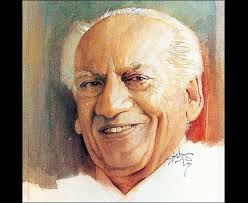
Revolutions emerge in the streets, and there are those emanating from speakers. There are not many names that resonate through the ages with such poetic fervour as that of the poet Faiz Ahmed Faiz, whose poetry was the result of fighting back, living in exile, and never losing hope. But what is notable today is not just the way Faiz is remembered but how he is remixed. Hereby in this age of Fillet-o-Faiz, whereby composers chop, marinate and present a taste of Faiz poetry afresh, classical resistance becomes modern revolution.
Faiz’s work has been residing in books, classrooms, and whispering recitations for decades. However, nowadays, it can be found in beats, synths, recording rooms, and stage theatres. YouTube singers, Instagram bands, and electronic producers who sampled his words and gave them the breath of life to the contemporary dissent are young. There is nothing gimmicky about this remixing, but it is a culture shift. This generation is rediscovering its voice through the work of a man who spoke for the oppressed long before they were born.
Musicians do not just sing Faiz; they are just interpreting revolution into the language of our day. When a band incorporates Hum Dekhenge with a rock guitar, it does not destroy tradition; rather, it elevates the song for those who wish to protest using bass drops. When a spoken-word artist performs Faiz’s poetry with lo-fi beats, even listeners who have no intention of reading the ghazals end up absorbing political awareness, verse by verse.
Such an approach is what renders the Fillet-o-Faiz movement so quite convincing. It bridges eras. It reinvented the dusty nostalgia of old poetry into something throbbing, living, and communicable. The revolution is portable; you can listen to it on Spotify, listen to hip-hop in a classroom, remix it in your bedroom, and protest at a rally with it.
However, there is more to it than hip aesthetics. The reason why musicians remix Faiz is that the world he is talking about still lives. Injustice still stands. Power still corrupts. Voices are yet again fighting to be heard. His poems are excruciatingly topical, and their intimacy with contemporary realities creates a process of cultural reappropriation that informs the world.
The struggle is not over. We are still here. And we are louder now.
Meanwhile, it is contentious to remix Faiz. According to purists, to change his work is dilution; revolution must not be wrapped in pop culture wrappers. However, others assert that revolution must adapt or face extinction. In the fast-paced digital world, any resistance that fails to change is silent. And silence is the one thing that Faiz never addressed in his writings.
It is this ability to make rebellion relevant to each generation that helps Fillet-o-Faiz prosper. It could be supported by a classical sitar, an electric guitar, or the beat of a hard-driving electronic rhythm, but the message of Faiz, that of struggle, courage, and justice, is certainly unmistakable. The poet who used to talk to inmates and liberation activists is now addressing adolescents scrolling through playlists.
Eventually, musicians remix Faiz because Faiz wrote in the first place:
Speaking thus to make sure that truth in the arts has no cessation.
And all remixes, you see, are no longer a song but an incitement — a call to the revolutionary to do, not retire, but remix.