





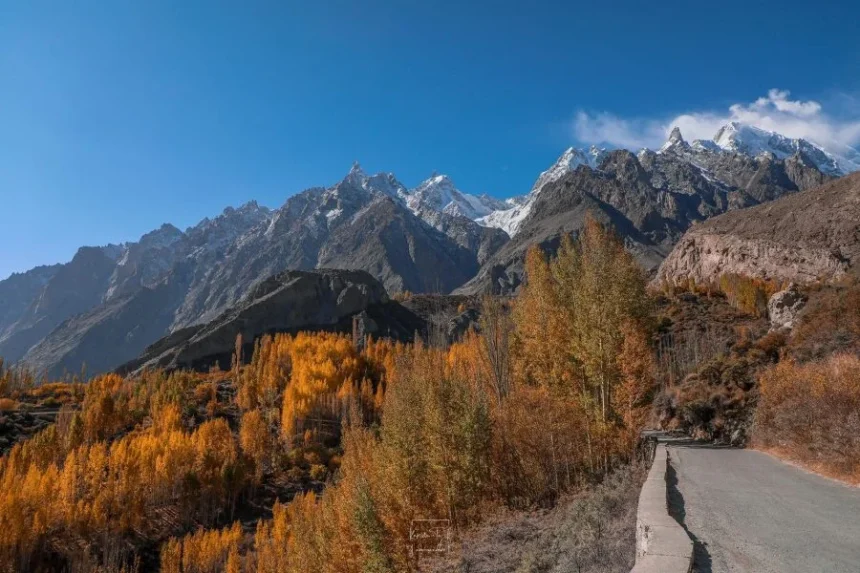
Last year, heavy rains in the northern areas of Pakistan changed the prospect of travelling for many visitors. In places like Naran, visitors who came to enjoy a few days of rest and freedom from everyday life found themselves facing rising water levels, blocked roads and growing uncertainty. For some people, the journey did not end in photographs and memories. A beautiful escape turned into loss, reminding us that even such places are not untouched by climate change.
That incident raised an important concern about how people choose where to travel. For a long time, travel has been influenced by beauty, accessibility and popularity. However, these days, another factor has been added to the list. That factor is none other than “environmental vulnerability,” which is impossible to ignore now. Tourism spots like mountains, valleys and coastal areas are the places mostly exposed to changing weather patterns, floods and rising temperatures.
This is where the idea of climate-resilient destinations emerged. Climate-resilient destinations are not only attractive but also prepared for changing climate patterns. Such places have systems installed to manage environmental risks, protect local communities and ensure that tourism does not add further pressure to an already vulnerable ecosystem. So, the goal is to maintain sustainability, not only for visitors but also for those residing there permanently.
Tourism, in this context, plays a vital role. The choices of travellers, the destinations they decide on, and the places they want to stay in can influence whether a place will thrive or struggle. When tourism is unmanaged, it can drain natural resources and damage the ecosystem. Popular places often face overcrowding, which results in poor management, which makes it harder for local systems to cope, especially in extreme weather conditions.
At the same time, tourism can also support survival. When travellers choose responsible areas, respectful guides and safe places and support eco-friendly guidelines, they are actually contributing to the protection of these places. Sustainable tourism increases the economic conditions of local communities, allowing them to invest in safe infrastructure, better planning and environmental conservation.
Last year, the situation in Naran highlighted the importance of this balance. As we know, with the passage of time, the number of people residing in that area also increases. Hence, without proper planning, both visitors and residents living in that area become more vulnerable to the risks when natural disasters occur. So awareness and planning are essential, not only for authorities but also for travellers.
Being a traveller today brings responsibility; it is beyond convenience and enjoyment. It requires asking questions like
Is this place safe?
Is this destination prepared for extreme weather?
Are local systems strong enough to support visitors safely?
Does my existence contribute positively to this environment, or is it creating pressure?
These contributions, however, seem small, but when thousands of travellers across the world multiply them, they have a significant impact.
Climatic conditions around the world are reshaping the experience of travellers. Places that were considered safe now bring uncertainty, and seasons that were bright and travel-friendly now bring risks. In this changing world climate dynamics, the idea of travelling has also evolved. It is not only about exploring new places but also about how climate shapes the safety of any region and place.
The future of tourism depends on this awareness now. Choosing a climate-resilient place to visit and supporting sustainable practices not only conserves ecosystems but is also important for the safety of tourists and local residents of vulnerable areas. Behind every tourism spot, there are communities living close to the environment, and their safety is directly connected to how tourism develops in that specific area.
In the end, travel is a choice, and every choice comes with consequences. The way resources are used today will determine their accessibility tomorrow. By making thoughtful decisions, travellers can make sure that these places continue to exist in their peak beauty, not only for a view but also for the sustainability of communities and groups nearby.