





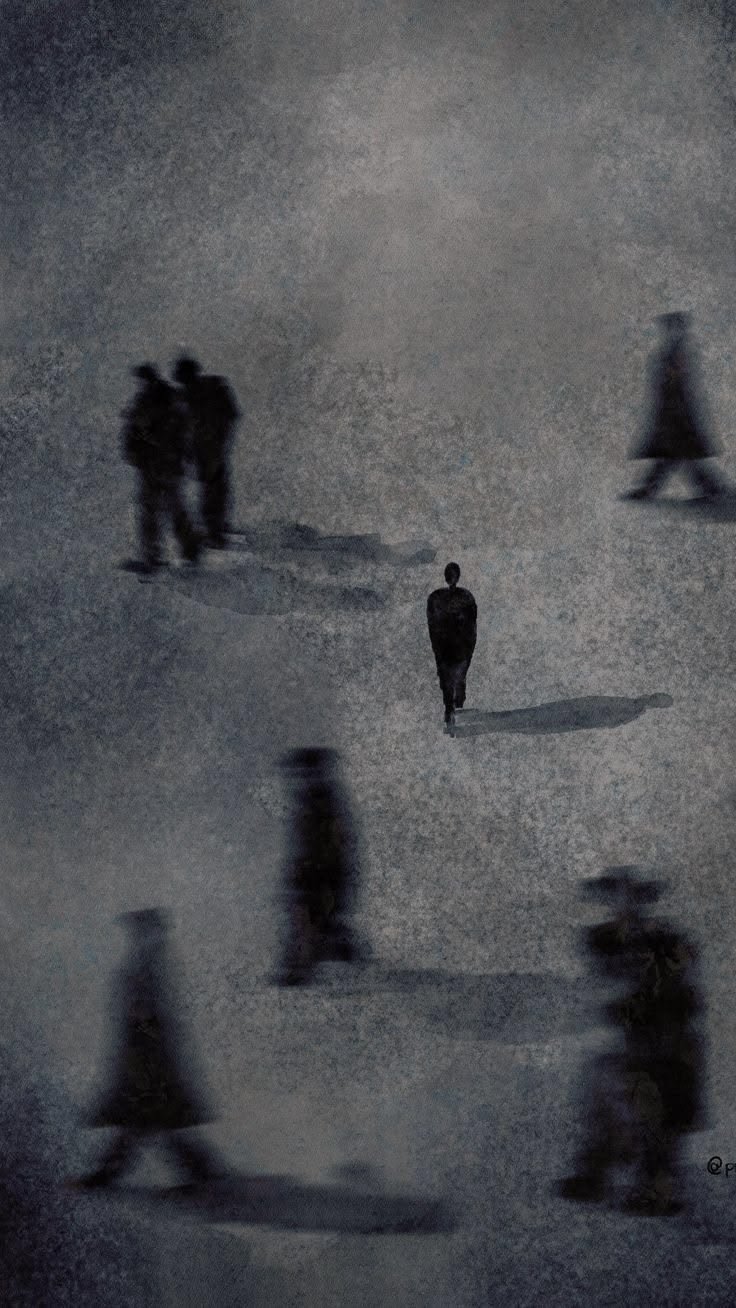
It is said that practice makes one effective, and refraining from it produces useless things that will never exist. This phrase is uplifting and has stepped into the area of technology. The advent of Artificial Intelligence and the evolution of technology have indeed made our lives easier. However, maybe this cheap and user-friendly innovation has become a wall between human cognitive ability and its productivity. Now, individuals completely rely on different gadgets. For instance, they use air conditioners to protect themselves from heat and smartphones to relieve boredom. These are the factors visible to us. Nevertheless, it might not have struck one reading this, but even taking a photograph for remembrance may affect one’s cognition and long-term memory.
The Dilemma of Photographs
The world has entered an era where photographs have become enemies of the brain. French inventor Joseph Nicéphore Niépce took the first photograph in 1826, but today it has become normal to use a camera. This normalisation is a dilemma. Memory is a gift given by God, and we value it; therefore, we use a camera to help us with our recollection. This is not to say that gadgets are awful, as they drive the economy and make our lives fruitful in many aspects. Nonetheless, the issue is when and to what extent we use them. Furthermore, photographs affect memory in two main ways: the photo-taking impairment effect, which weakens real-time memory encoding, and external memory, which helps in recalling details later.
The Role of Attention in Memory
Attention is also an important element. While taking a photo, concentration is more on perfect quality, colour, and resolution than on the object being photographed. This may contribute to the problem of forgetting. Today, people do not try hard to recall details because they believe pictures will help. This is related to the “Google effect”, which illustrates that when people know they can find something later, they do not bother to recollect it. Fairfield University psychologist Linda Henkel believes something similar may be happening with digital photography. The more easily people can take and access pictures, she says, the less inclined they may be to remember the moment itself.
A Philosophical Perspective
In Plato’s Phaedrus, Socrates tells a story about the invention of writing; he argued that it would create a “forgetting effect” in learners’ souls. Socrates warned against relying on external characters. He said it would make people hear many things without being taught and appear wise without knowledge. Just as writing outsources mental text, similarly, cameras may outsource visual experience. Moreover, philosophical perspectives on phenomenology argue that looking at life through a lens changes the quality of lived experience, transforming an active participant into a passive observer.
The camera has received an importance it never needed. Perhaps the traveller who forgets the camera is better off than the one who forgets to actually be present.
Conclusion
Now it is simple: “use it” or “lose it”. Our brain is nothing more than a wreck without mental exercise. Humanity’s complete reliance on gadgets for different purposes has made us rethink. Buying expensive cameras and phones has become a trend in itself. Maybe we have gone much too far now, and many philosophers saw this coming. Artificial Intelligence and innovation might already be rusting our minds, and we are letting them; now even cameras have become part of it. This demonstrates that we never know what more can go wrong.