





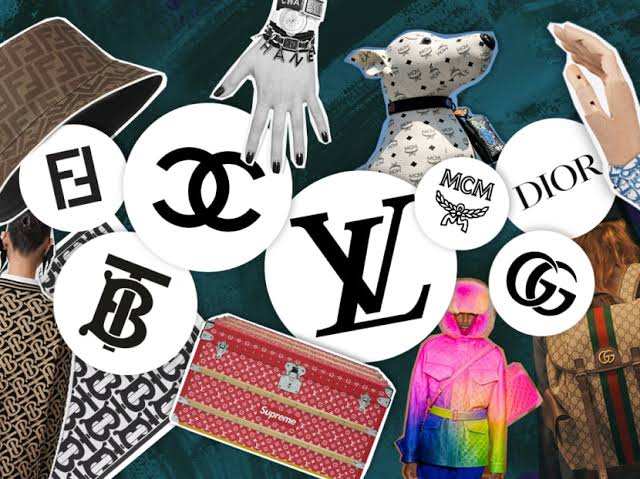
For decades luxury fashion operated on the motive: the bigger the logo, the higher the status. They were a symbol of wealth and the primary way to recognise a luxury item apart from a mass-market one. Branding represented social standing, taste, purchasing power, and a public declaration that you stood higher than anyone else.
While flashy logos and statements had their peak from 2020 to 2023, there has been a significant decline, with people increasingly preferring subtle pieces of clothing and accessories.
This is not merely a trend but has its own contributing factors behind it, driven by distinct market factors and consumer psychology.
It all started when fast fashion brands cracked the code to mass-produce knock-offs at a much lower price. This saturated the local markets with lookalike luxury products at a cheaper price, ultimately targeting the materialistic crowd that envies high-end pieces.
Fast fashion brands became the lottery tickets, the ultimate equalisers for consumers that transformed previously unattainable luxury dreams into an instant affordable reality.
With that being said, when something is no longer rare, it loses its value. When every commoner could afford a Chanel bag and a Gucci t-shirt, it no longer stood up to its previous value of being rare — something only the upper class could afford.
Suddenly the line between high-end pieces and low-quality, mass-produced ones became blurred. The logos that once represented exclusivity started to represent trends. That is why today wearing or carrying items with flashy logos is interpreted less like status and identity, and more like a desperate attempt at flexing wealth.
The truth is, the genuinely wealthy with generational wealth never seem to seek external approval by chasing every micro-trend that involves logos. True luxury to them in fact is more about things that require only an educated eye to appreciate — the texture, tailoring, and the fabric rather than proving your financial status to strangers on the street. When more people started to adopt this mindset, their perception of luxury changed eventually too.
While logos are still highly chased and seen as a symbol of wealth, their wear has significantly decreased and transformed into more subtle expressions. Instead of a corporate logo proving your status, your individual taste proves sophistication. Status is becoming more about your personal knowledge and less about something you could buy. Because as they say, “Money can’t buy class”.
Furthermore, with the advancement of social media, numerous celebrities and influencers are able to share their daily lives with the public. In this era of intense public scrutiny and economic disparity, everything the upper class decides to carry holds meaning. Opting for unbranded subtle clothing serves as a form of social discretion.
Logos can put people out there; they can be interpreted as public affiliation with that certain brand. Carrying a loud logo means you inherit all of that brand’s controversial baggage, whereas an unbranded item keeps you entirely safe from public scrutiny.
Celebrities actively choose to resort to more timeless and subtle pieces that can be hard to identify and be traced back to a certain brand. This subtlety acts as a shield from unwanted attention, keeping their private lives private.
Moreover, flashing logos where most of the world cannot even afford to have three meals a day sets you out as tone-deaf. It signals being completely disconnected from reality, flaunting excess while holding zero empathy for starving children who lack basic necessities.
The shift to plain, unbranded clothing strips away the loud luxury, economic voice of fashion to focus on a more grounded human presence. It subtly reintroduces humility into a world dominated by exhibitionism. In the grand scheme of things, the most powerful statement you can make is the one you don’t have to shout.
Nailing it everywhereee 💪💪💪 by far one of the best articles ive ever come across