




Almost every Pakistani is familiar with the history of Pakistan. How a new born nation came into being after the infamous riots that are still considered one of the most overwhelming events of history. However history has always been partial. Similar themes of sacrifice prevail in the literature that only highlight the plight of a particular group of people. There’s so much more that happened behind these narratives. So many voices that got buried under the noise. Reading and living an experience is entirely distinct. Our history books majorly glorify the sacrifice whereas the literature brings a visceral experience to life by penning stories without any prejudice. History belongs to everyone who has lived it. Therefore it should be unveiled like that too.
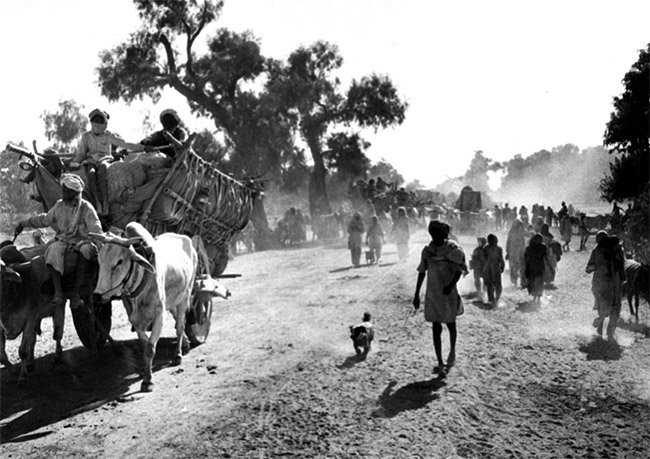
Many of us who were born decades after partition have only heard about it through family recounts or old pictures. How the events transpired, how the communities had to settle in a new territory and how refugees coped in the camps, how people had to leave behind the houses they deeply cherished only to never look back. It makes it more of an inherited memory. But literature enables us to connect not only with the memories but with the silences too.
With the revival of literature, partition literature is also capturing the attention it deserves. Saadat Hasan Manto’s stories are being translated and republished continually which depicts the cruel portrayal of ordinary people caught up in the midst of violence. Manto’s stories have a sharp layer to them that are often considered indecent and obscene. However his stories are merely the reflection of the society we live in. His words are enough to send chills down the readers but those were the actual experiences people weathered.
Khushwant Singh’s A Train to Pakistan is a shattering account of what happens when a community has to suffer the consequences of a decision they were never a part of. Not everyone was brave enough to bleed for a new state. Not everyone was content with the decision of a separate state. Some deeply loved their previous homeland that they felt betrayed when they were brutally ripped out from their homes. These experiences are surreal and more important than a political theory. These are the archives of memory , which allows younger generations to grasp the enormity of such a great event that changed the meaning of life for so many people.
Partition was not just about drawing or separating borders, it was about the identities that changed within minutes. A sense of belonging that was snatched away.
The new translations of partition literature brings to light the stories of such Bengalis, Punjabis, Muslims, and Sikhs, facilitating the comprehension that it was never an isolated event. It altered the sense of being for other people as equally as Muslims. It familiarized us with multiple perspectives, uncomfortable experiences, and the biases of history. Literature paved a way for us to accept each other instead of the blind hatred. It introduced us to the idea that different languages, food, and culture can co-exist together.
This is why preserving literature in its real form is important as it serves as a powerful tool for inculcating tolerance and acceptance amongst each other. It broadens the possibilities of having a dialogue and communication based on respect and fostering a sense of responsibility in conserving the truth rather than deviating from it.