





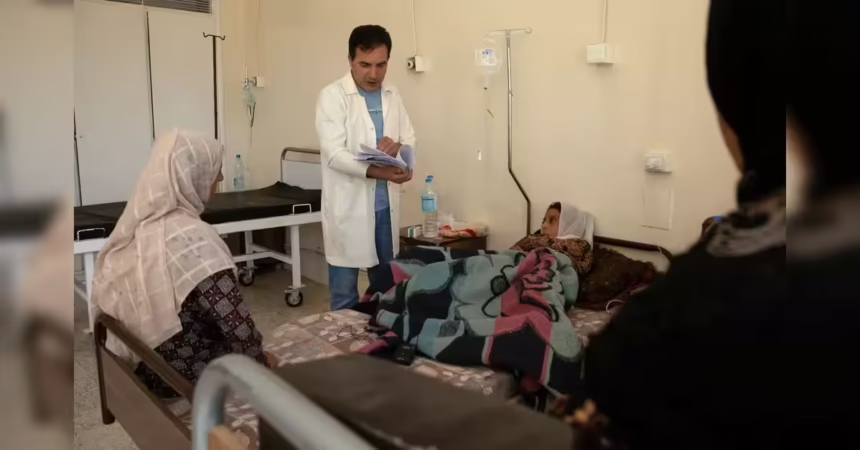
A hospital saves a life, but preventing a disease could save it further. The former is essential in Pakistan, where the health sector bears a significant burden due to an increasing number of patients.
While building more hospitals and employing more doctors is a critical issue, it cannot entirely resolve the problem of diseases that require a hospital stay.
From diabetes and cardiovascular diseases to hypertension and obesity, Pakistan deals with a wide range of social and medical issues. As a result, the current healthcare system is overwhelmed by citizens with illnesses that could have been prevented, delayed, or treated earlier. Thus, the central question is: does Pakistan’s healthcare system do enough to keep people healthy before they come to a hospital?
Why More Hospitals May Not Be Enough
Hospitals are vital institutions in any country, providing emergency care, performing surgeries, and assisting with childbirth. Moreover, they offer specialised treatment for those with chronic illnesses. At the same time, a hospital stay is expensive and places a significant strain on the family’s budget, in addition to the emotional stress of the patient.
Furthermore, many diseases are complicated by a late start of treatment. For example, hypertension often does not show symptoms until it reaches advanced stages. The same applies to diabetes, a disease that requires regular doctor visits and blood sugar tests. Untreated, it can lead to severe complications such as kidney failure or blindness. Preventive medicine aims to detect diseases early and delay their clinical manifestation.
Without proper prevention, patients with minor symptoms will turn to hospitals, which means more surgeries and prolonged hospitalisation. In addition, the burden of illness for society is also significant: people with chronic diseases often need ongoing therapeutic and medical care. Thus, building more hospitals will help treat more patients, but preventing manageable conditions will reduce the load on the system.
The Everyday Risks Behind Common Diseases
Health is often affected not only by the quality of services provided but also by social factors such as food, exercise, smoking, stress, sleep, and the environment.
While unhealthy habits, lack of exercise, and poor nutrition among citizens of Pakistan are serious concerns, an additional problem is the tendency to lead more inactive lifestyles in big cities due to a variety of urban activities.
At the same time, it is essential to recognise that the responsibility of maintaining good health should not rest solely on citizens despite the ease of access to local primary healthcare. Instead, society should make healthy food affordable and available, create safe places to exercise, and provide access to health education.
In addition, it is essential to ensure the availability of services that can help with disease prevention, screening, and comprehensive management of chronic diseases.
Can Primary Healthcare Change the Picture?
Developing primary healthcare can be an effective solution for addressing many social and health issues in Pakistan.
Community health centres and family doctors can help with disease prevention and management — including regular check-ups, testing, and immunisations — to provide access to care and reduce the need for more specialised and expensive treatments.
The involvement of other community organisations, such as schools and businesses, can also have a meaningful effect on improving the health status of Pakistani citizens by promoting a healthy lifestyle.
Finally, a coordinated approach to chronic disease prevention is essential, and the government should dedicate resources to studying and preventing diseases.
Despite being a long-term and complex endeavour, the prevention of chronic diseases can significantly reduce the morbidity and mortality burden in Pakistan while also reducing the strain on the healthcare system.
A Forward-Looking Healthcare System
It is crucial to realise that Pakistan cannot invest exclusively in hospital care while neglecting preventative measures.
Even though building and maintaining hospitals and other medical facilities is essential, a robust healthcare system must also prioritise disease prevention and management.
The authorities should allocate resources to disease prevention initiatives while also regulating social and environmental factors that erode health.
The development of an effective strategy for combating diseases requires time and effort and must be informed by morbidity and mortality statistics.
A competent healthcare system will feature visible improvements in its treatment capabilities while also prioritising preventative measures such as regular check-ups and screenings. By focusing on health and well-being, authorities can ensure long-lasting and meaningful improvements for the citizens of Pakistan. In other words, Pakistan needs to invest not only in hospitals and equipment to treat the sick; until then, the country will continue to struggle with a high burden of disease and spend considerable resources on morbidity and mortality.