





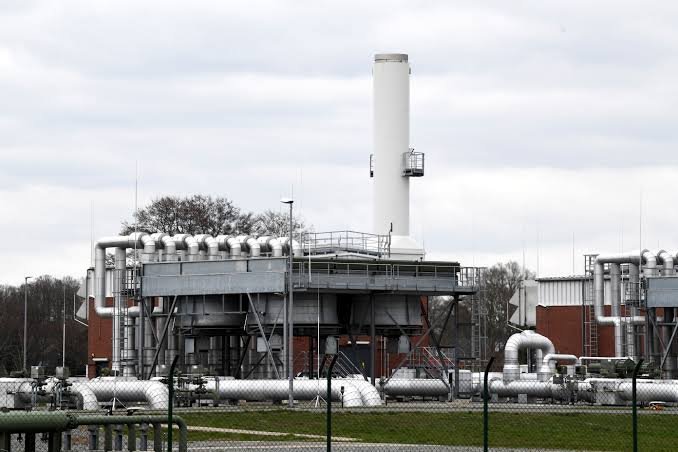
ROTTERDAM: Europe’s largest carbon-capture and storage facility has begun operations in the Netherlands, marking a major expansion of efforts to reduce greenhouse-gas emissions from some of the continent’s most heavily polluting industries.
The project will capture carbon dioxide produced by industrial facilities in and around the port of Rotterdam and transport it through pipelines for permanent storage in depleted gas fields beneath the North Sea. The system is aimed particularly at industries such as refining, chemicals and heavy manufacturing, where completely eliminating carbon emissions remains technically difficult.
European governments increasingly view carbon capture and storage as one of several technologies needed to meet long-term climate targets. Supporters argue that it can substantially reduce emissions from existing industrial infrastructure while cleaner production methods are developed and introduced.
Critics, however, remain concerned about the cost of large-scale carbon storage and argue that excessive reliance on the technology could allow fossil-fuel-intensive industries to delay deeper changes. The Rotterdam project will therefore be closely watched as Europe assesses whether carbon capture can operate economically and reliably on a much larger scale.