





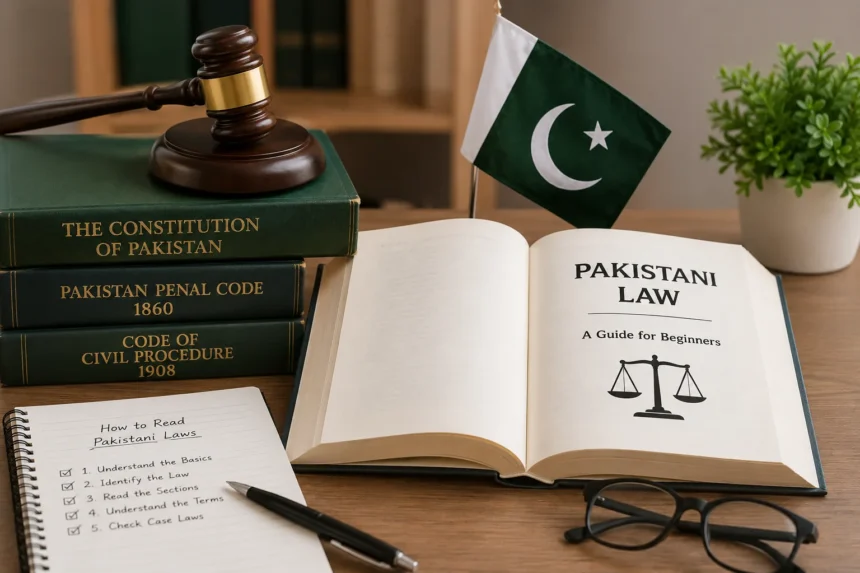
Introduction:
Ever since gaining independence in 1947, Pakistan has had three constitutions. Namely the constitutions of 1956, 1962 and 1973. The constitution of 1973, though modified and oftentimes suspended during military regimes, still serves as the supreme law of Pakistan. Said constitution calls for a bicameral parliament with the Senate and the National Assembly jointly called the Majlis-e-Shoora [1]. Overall, bills are passed by both houses and then signed by the President to become law, but who actually drafts the laws?
The drafting of the bill:
A bill is a proposed or drafted law that has not yet been enacted. A drafted legislation proposal which is presented to the legislature for consideration [2]. In Pakistan, not all bills are the same. The two major types of bills are government bills (or government bills) and private member bills. Government bills, as the name suggests, are bills which are presented by ministers on behalf of the government, relating to government policies, economic reforms, etc. These bills are more likely to pass as they have stronger legislative support.
Furthermore, private member bills are introduced by legislators who are not ministers, and therefore these bills are rarer and less likely to pass. The whole process of law-making is initiated when the need for legislation is felt. Problems stemming from legal challenges and existing policies often help kickstart the law-making process. The drafting of bills involves policymakers and legislative drafters participating in the process of preparing them.
Introduction and discussion of the bill:
Once a bill is drafted, it is presented to the legislative body for discussion. This stage is referred to as the First Reading, and it mainly focuses on presenting the bill and notifying the relevant authorities that a new draft bill is proposed. Next, the bill is published and handed to members of the relevant legislature, giving them the opportunity to understand the policy and prepare for debate. The third stage, and arguably one of the more important parts of the process, is the debate.
During the debate, legislators focus on the bill’s strengths and weaknesses, debate its consequences, and identify potential risks the policy might pose. The bill is then presented to the committee for review and detailed examination, after which it is voted upon and then presented to the president for approval. Once approved, the bill officially becomes an Act, a written, approved law within the country’s legal framework.
Democratic accountability? A term unheard of
Now that we are well aware of the whole law-making process, let us discuss democratic accountability a bit. The Supreme Court’s decision, bypassing the Lahore High Court’s judgement relating to restoring the mandatory information and asset declaration required from electoral candidates, seems a bit strange. After all, are the citizens not allowed to have complete transparency about who they are voting for? It is essential to provide the people of Pakistan with relevant, substantial information to make informed decisions about their country. What was created in the name of democracy should not be the one stripping its own people of their rights.
References: