





Ramadan is the holiest month of Islam, practiced by fasting, offering prayer, giving charity, and maintaining self-discipline. It is the month when the air is filled with purity and a spiritual sense begins to strengthen.
The core purpose of Ramadan is to reconnect people with their deen, to preach to them about right and wrong, and to teach them patience. Above all comes the concept of self-control — where you have everything in front of you to eat and drink and every opportunity to commit a sin, yet you refrain from doing so. It brings families together at iftar dawats and for taraweeh.
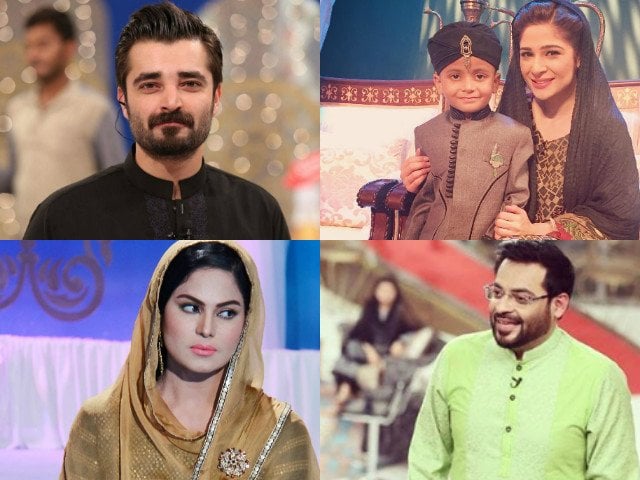
What we see now is how everything has been commercialised over time. We have left nothing behind — not even religion — in the pursuit of content creation. A sacred month meant for spiritual growth is now broadcast on our televisions as commercial entertainment.
In a more modernised fashion, we listen to molvis on our screens delivering sermons instead of sitting with our elders for their sincere preaching and guidance.
If we compare the era before the 2000s with contemporary times, we see how far we have gone in turning our culture, traditions, and even our religion into spectacles for social media.
Before television and these Ramadan transmissions, people used to pray in seclusion as much as they could, giving charity without even letting the person sitting next to them know. What is happening now is quite the opposite.
I recall my childhood, when I used to sit in front of the television for hours watching these Ramadan transmissions. During the day, there would be multiple segments, including Islamic quizzes, bait baazi, cooking challenges, celebrity interviews, and family games.
On and off, there would be Tilawat-e-Quran and discussions on various religious topics. In addition, there was always a charity and welfare segment to collect donations for orphans, the indebted, and needy people — often driven by high ratings and sponsorship deals. I loved watching everything because it kept me engaged throughout the day with a variety of entertainment.
What I realise now is how I wasted that precious time, sitting idle like a puppet laughing at these shows. All the time I could have dedicated to prayer, I squandered away. And it was not just me, but most of the population.
It acts as a distraction where you are drawn to engaging shows instead of doing something productive. Celebrities gossip and laugh on air, rarely discussing anything religious or meaningful, whilst women in search of new recipes invest their full attention in these segments, learning little of genuine value.
The intention is not to criticise any individual, but to recognise that not everything is meant to be transformed into a piece of entertainment. It feels like a dilution of the sacredness of Ramadan; instead of working on ourselves individually, we laugh at mundane and mediocre television. These day-to-day conversations can wait so that we may seek a sense of righteousness instead.
Even after iftar, various game shows are aired in the name of entertainment. The entire day and night are consumed by such broadcasting, leaving little room for personal reflection.
We see celebrity hosts and guests using Ramadan for marketing purposes. Instead of reducing prices during this month to assist the less fortunate, we observe an immense surge in costs alongside aggressive marketing strategies to allure customers.
Live charity sessions have undoubtedly helped many individuals, yet they raise serious ethical questions regarding the public exposure of needy people’s lives. It has become a spectacle designed to gain views and notoriety. Ramadan — a month defined by patience, humility, devotion to God, and sadqah — is now frequently used to showcase wealth. It is still respected, but the approach has fundamentally shifted.
Observing Ramadan in contemporary times forces us to accept that as the world evolves, practices change, and people adjust accordingly. Some families support and enjoy watching these transmissions, finding them helpful for gaining knowledge. Ultimately, it serves as a reflection of society and how people choose to perceive sacred traditions.
These people think they invented Ramadan , astaghfirullah 😭😓