





As children, we would always be mesmerised by the enchanting world of fairy tales. Where the main characters could fly on giant dragons, and the magic would make you appear anywhere, at any time. The princesses danced around in exquisite gowns and glinting jewellery. A picturesque world like that would be every child’s dream. Where the colours would play a symphony and the background was enticing. But the one drawback of growing up is that you start to conjure up the reality hidden behind these idyllic stories. On the surface, they would seem magical, but a more grim reality would persist underneath.
Peter Pan, a notorious whimsical story known for pirates, flying children and magical islands, captures the attention of many children. But the premise is set in a Neverland where children don’t grow up. It is reflective of the main character Peter’s refusal to come out of his mental entrapment. Peter is stuck in his childhood, and so are the other kids who don’t want to experience the cruel revelations of growing up. It feels like an adventure story, but the kids in Neverland have been abandoned by their parents. Time had stopped there, and the children concocted exciting adventures to avoid the pain of abandonment.
Hansel and Gretel, a literary masterpiece about two clever children using their wit to defeat a witch, is also popular among the kids. But it also hides a painful truth of getting abandoned by your parents in harsh circumstances. Unable to feed the children, their parents leave them amidst the famine, and the two kids are left to fend for themselves. A grievous reminder that those who are meant to protect you won’t always do so. Stories like Cinderella, Red Riding Hood, and Sleeping Beauty serve as a reminder that all that glitters is not gold.
But the use of such themes in children’s literature isn’t there to scare them from the truth of adulthood. It helps them to understand death, fear, loss, and abandonment in a tone that is easy for them to comprehend. It introduces them to the moral dilemmas and different structures of life in a gentle way. Such tales help them understand that these experiences are real and that many around them go through this, making them more receptive to their surroundings. These stories functioned as training for their moral and emotional systems.
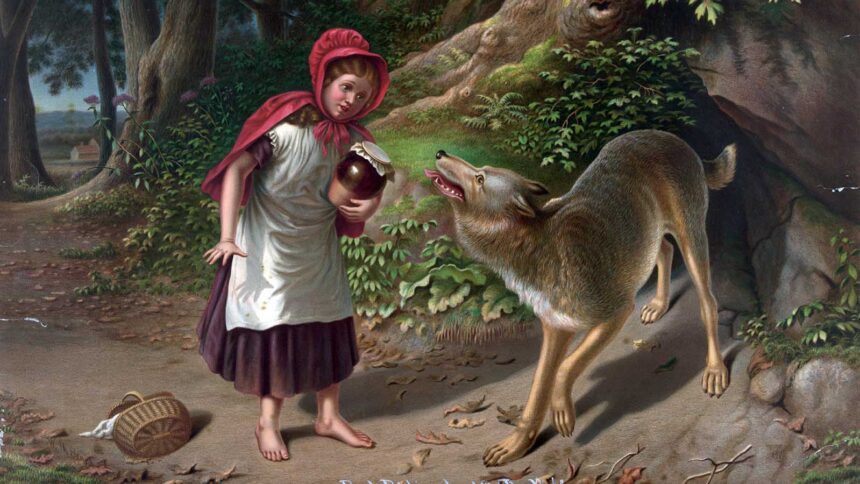
However, these stories are being sanitised in modern times, inculcating more softness for the contemporary audience. There’s less violence now and more focus on the positive ending. For instance, in the older version of Red Riding Hood, the wolf eats the grandma, carrying a tone of irreversible consequence. But the new version curtails a happy ending by saving the grandma or making the helper show up at the right time.
Does such an ending help comfort the children, or does it rob them of the chance of getting prepared for the adult world? remains a question. But the literature is an effective way of communicating the deeper truth to the children.