





The City That Runs on Ingenuity
Faisalabad keeps working while others make noise. Karachi grabs attention. Startups bloom in Lahore instead. Yet it is Faisalabad that moves without speaking much. Down dusty lanes of D-Ground, past rows of tin-roof sheds. Metal rings out like a warning bell, sharp and constant. Step close, peek into cramped rooms where oil stains every hand. Men hunched over broken steel turn junk into machines. Not foreign tools, not fancy plans guide them. Old wires, burnt-out frames, and their own stubborn minds shape what rises. Each piece was born from what others tossed away. This thing is called Jugaad; it is what Faisalabad lives by. Not just uses, but shapes every move.
What Is Jugaad, Exactly?
“Jugaad” is a term used in both Punjabi and Hindi that translates into a creative fix or a workaround; it’s taking something that shouldn’t work and making it work. It’s not a lazy habit, nor is it a process of cutting corners. It’s about finding solutions to problems when you are under pressure, have limited resources, and have no safety net. In Faisalabad’s textile belt, Jugaad is not an option of last resort but the first thing that comes to mind.
The Workshops Nobody Talks About
These workshops are not available on Google Maps; they don’t have a website or Instagram account. Yet, they provide machinery to hundreds of textile manufacturers in Punjab.
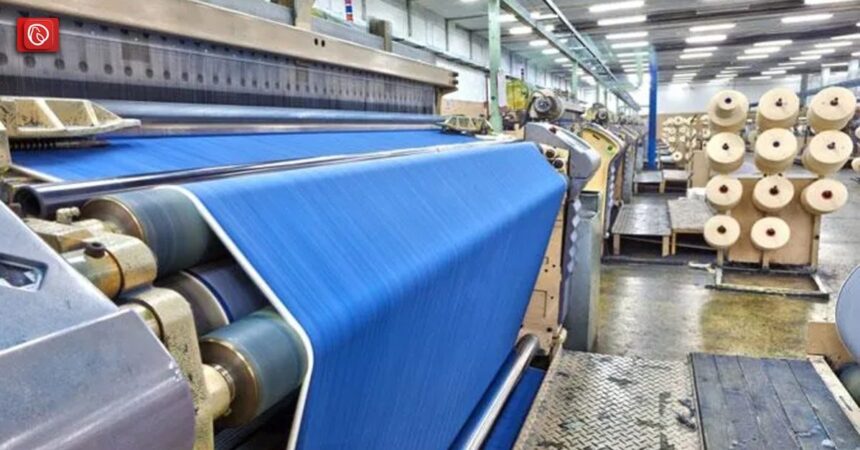
Ustaad Riaz is a local engineer who has been building machinery for over 22 years; he hasn’t been to college, but he learned how to make things better by watching, breaking, and fixing things. He builds rapier looms using salvaged electric motors and self-made components. His looms perform like looms that you would purchase from the market; however, they were built much more cheaply and quickly. “I build the equipment I create,” he says, “with the love and care that goes into creating your child.” This is common throughout Faisalabad. When it comes to developing new technologies, engineers work with old German and Japanese equipment. They can reverse engineer components that are electronic panels used for the operation of that machine. They make parts to repair the equipment instead of paying large international corporations 5 times what they actually should cost.
Why This Matters Economically
The textile industry in Pakistan is the backbone of the country’s exports, contributing to almost 60% of the national export market. The majority of this export activity occurs out of Faisalabad.
These engineers perform the engineering that keeps the functionality of machinery operating. Simply put, when a loom breaks down at 2:00 AM before a shipment deadline, no one calls a technician from another nation; instead, they call their local Ustaad, who shows up to identify the problem and fixes the machine using materials that are on hand, thus allowing the factory to meet its deadline and have the export get shipped.
This is not a small contribution to this economy; it is a structural contribution to this economy. The formal economy relies upon this informal innovation without recognising its contributions.
The Unmeasured Innovation Gap
The reality is that there are no economic planners in Pakistan who take this into account.
Innovation indexes that have been developed at the national level do not take into account the work that is being done in these workshops. The investment boards are funding software incubators in Karachi and Lahore, but no one is conducting an inventory of the mechanical innovations taking place in the alleys of Faisalabad.
There is no funding available for a Ustaad who has developed a modified shuttle mechanism. There is no patent filing assistance for a welder who developed a tension roller that resulted in a 15% improvement in the quality of fabric. All of these contributions to our economy, along with many others, disappear into the informal economy.
Meanwhile, we celebrate the companies that develop “apps” in climate-controlled offices.
The Trouble with Overlooking It
Hidden things bring consequences. What you do not see can still hurt. Out of nowhere, skills grow through hands-on trial, not classrooms. Without paper proof, progress hits a wall early. Scaling up feels impossible when systems ignore experience. Bank doors stay shut without official documents. Deals fall apart before they even begin. Most of what they know can vanish overnight. A teacher steps away, and years fade just like that. Nothing gets written down anywhere. Learning never moves from one person to another in any clear way. The group itself forgets what was once held close. Expertise vanishes when ignored, simply put. Our denial lets it slip away.
What Might Actually Work
Fixes aren’t complex. Most people simply look away. Out of nowhere, TEVTA might start training backyard tinkerers through hands-on certs. Money bits, carefully tucked away by SMEDA, may slip into tiny factories running on jugaad logic. Instead of staying silent, fabric trade groups could stand beside these garages out loud, out front. Start by capturing basic repairs on paper. That way, skills can pass from one person to another. Maybe turn notes into step-by-step guides. Over time, gather these into a shared collection of how things are fixed across Pakistan.
Faisalabad Deserves Better Recognition
The city is not waiting for anyone’s permission to innovate. It never has. But recognition matters. Investment matters. Policy attention matters. Faisalabad’s engineers shape tomorrow. Picture their work if real help arrived. What if Pakistan’s real power isn’t in grand plans but in quick fixes? That raw instinct to make things work – why ignore it any longer?