





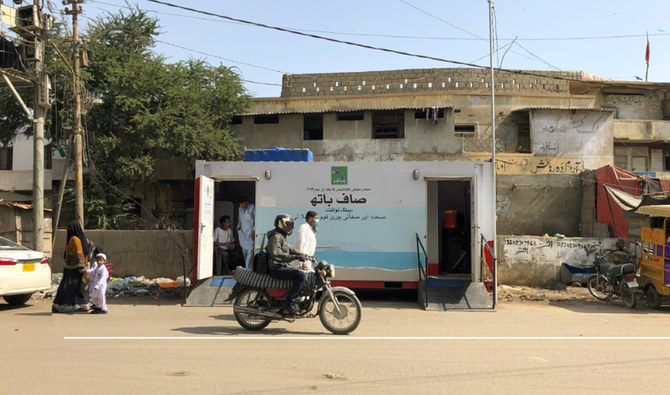
Start anywhere in a big Pakistani city, and you can see the gap immediately. Crowds fill the bazaars, yet something is absent. Traffic moves constantly, but not everyone benefits equally. You will spot shops and workplaces on every block. Still, essential items for women are hardly ever available. Restrooms meant for women? Missing completely, or too risky to use. Few places have space for nursing. Where they do, real chairs are hard to find.
What you see here goes beyond mere hassle. A flaw sits at the core of how things are planned. Women rarely shape city layouts. Instead, planning acts like male routines define everyone’s needs.
Urban Planning Reflects Hidden Biases
City layouts usually seem like just engineering work, neutral to everyone. Yet they actually show what society values most. If designers ignore how women live, spaces end up shutting them out.
City planners tend to be men. Because of that, the places they build often match their own routines. Yet when it comes to restroom access, women’s needs might get overlooked. Clean, reachable facilities matter more than ever. Poor lighting after dark? That can feel riskier for some. Design blind spots like these don’t come from malice. Still, they show up, quietly shaping everyday life.
Facing hurdles daily, women map every outing like a puzzle. Before walking far, they pause, weighing risks quietly. Public areas feel tight when simple things take too much effort.
The Hidden Cost Of Not Having Toilets
Out in the open, without restrooms nearby, things get tough fast. Picture this: women skipping sipping water just to dodge bathroom hunts later. That choice? It quietly invites trouble that may take a toll on health. Missing toilets aren’t minor; they ripple.
Every day, stress piles up for women who work, study, or move around often. Just stepping outside can feel awkward. When you’re a mom, things get twice as tough. Nowhere fits well for nursing or diaper swaps.
This puts a wall around freedom. When staying outdoors feels hard past just a few hours, school, jobs, and even free time start slipping away. Slowly, that changes what paths feel possible. What she can pick from grows narrow.
Safety Is Part of Design
What keeps a city safe isn’t just rules. Design also plays a role. Dim lights, cracked walkways, and empty corners make women uneasy. If a place feels hard to see through or move across, it pushes women out. Feeling shut out starts where layout fails.
Folks feel better when streets glow bright, and signs point clearly, yet spots where people gather stay lively. Comfort grows through basic layout moves that go unnoticed most times. Still, those small things? Rarely gets attention.
Public Space and Gender Inequality
Missing women in public areas aren’t absent by choice. Their absence grows from surroundings that offer little backing. Outside, men might linger for hours, never once considering a restroom. Yet women face that need differently. Because of this gap, city life feels uneven. What ought to be shared widely ends up feeling narrow. This way, design holds up gender imbalance. Quietly it might be, yet still it moulds daily living with force.
What Inclusive Cities Could Look Like
A city that includes all people functions well for each person. Clean, secure restrooms in marketplaces, green spaces, and transit zones matter for women. Nursing spots inside shopping centres and government structures make a difference. Well-lit pathways plus protected roads shape daily life.
Women bring real-life insights when they join the conversation early. Spaces improve because of what they share. When plans take shape, including them changes outcomes. What they’ve lived through becomes part of the design.
Comfort makes a difference. Where women move without worry, their presence grows in everyday spaces. Walking, working, and riding each choice opens wider paths through the city.
Rethinking How We Build
Cities shape how we live. Yet who actually benefits shows up fast. Some folks fit right in. Others never find space. Design choices leave traces. Whose needs get ignored becomes clear after a while.
Buildings and streets mean little without those who walk among them. People come first; they always have. When women hesitate on sidewalks after dark, something has gone wrong. A city that excludes women is like a machine missing gears.
Missing restrooms for women? That’s never just about bathrooms. Think bigger. This reflects deeper neglect woven into planning choices. A city’s real measure isn’t in its skyline or highways. What matters is whether everyone belongs. Without freedom and ease for women, something vital is missing.