





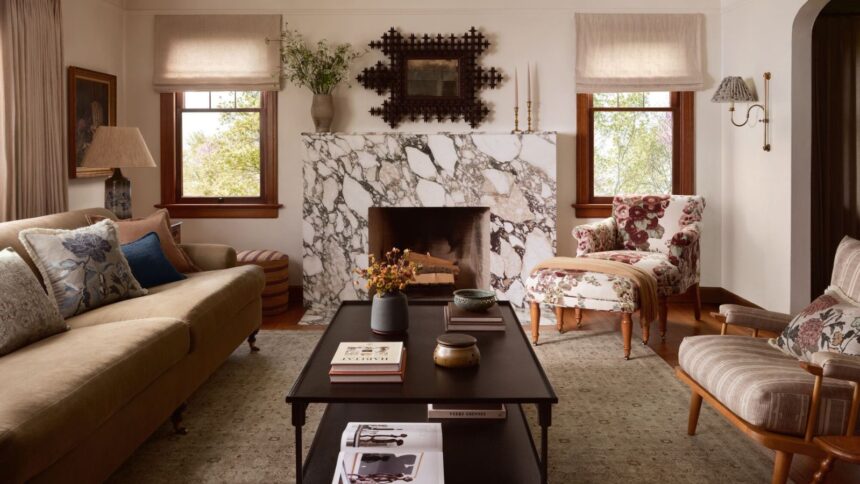
Step into a house bustling with guests, a tray of tea, sweets and fried treats circulating around the room — no, it’s not some fancy Eid gathering; it is an everyday moment tightly knit into the culture of extended families and hospitality. But such regular family meetups almost feel like a childhood memory to urban households.
The traditional caterer to famous tea times with neighbours, kitty parties, and drop-in visits from family has slowly lost its place in modern Pakistani households. The drawing room now serves more as a fancy space rather than an absolute necessity. What feels like a mere architectural change in modern homes shows a deeper social transformation.
With the unspoken replacement of the joint family system with single-family units, the drawing room has also given its place to the family lounge. If there are no extended family meetups one day or the other, then why build an extra space?
It displays how space economics has gained more importance than social architecture.
The famous value of hospitality that the Pakistani culture takes pride in gave way to the ‘appointment culture,’ surrendering to the privacy-minded, busy lifestyle. Before this tradition modernised, guests could arrive unannounced, and the drawing room absorbed them. Now, we have moved from the open-door culture to expecting pre-planned visits and scheduled socialising. That place to socialise with people we knew got deserted by homes.
The formality of physical visits reduced as digital interaction satisfied the need to mingle at your own pace and leisure, without hustle. A TV lounge serves a few of the occasional physical visits we have instead of a formal, traditionally decorated and family-holding space called a drawing room. It is a screen-centric space that doesn’t hold and make family traditions and legacy as the drawing room, carefully decorated by our grandmother, did.
Birthday parties, weddings and social get-togethers are shifted to video conferences and texting rather than being hosted in a drawing room. It is the answer to the young population, mainly holding socially anxious introverts, as most of the interactions are digitalised.
The death of a formal, social space in our homes snatched the etiquette of interactive conversations and behaviour in a shared physical space. Nobody is seen valuing table manners and social etiquette as their importance and display are no longer needed. It once was a place in which a child learnt to behave respectfully — it was a behavioural training space too. People socialised there to strengthen the family bonds and form new ones. Relatives and neighbours dropping in is seen as a workload rather than a blessing. This modern architectural shift has taken much of the social value and has sought a new wave of communal rhythm, which is majorly digital.
Distorting the communal culture — wiping out the drawing room has provided the ease to value comfort over formality in today’s multipurpose living system, but this ease undervalues the screen-free system of physical interactions.
In acquiring a modern, economical lifestyle, we have unknowingly let go of the space that preserved dignity, culture and a family legacy. It now lives as a colourful memory of childhood, where we learned to live with people we liked and those we did not.
I really admire how you reminded us how important the physical in-person interactions and offering warm hospitality are to feel real connection, reliability and genius care and support.
I grew up with a drawing room that was always ready for unexpected guests, tea, biscuits, and stories. You’ve captured exactly how that space, and the culture around it, has faded without us even noticing. Beautifully written, Alishba Yousaf. It made me nostalgic and reflective at the same time. Thank you for putting this into words.
Dr.Yousaf Kamran.
It is written so beautifully; I’m always pleased to read your scripts. Every single thing you say, I find myself agreeing with more and more. You portray things so magically. When I realize that this beauty is written purely from your own mind and heart, unlike so many people today who rely on AI…I am deeply mesmerised