





Islam is not just a religion; it is a system that covers all domains of life. It not only commands us to worship and refrain from sins but also guides us towards a balanced and harmonious life as well. It covers all aspects, whether it’s daily life dealings, family structure, governance, communication, or broader societal dynamics. The Quran and Sunnah give us a holistic framework for all these aspects that not only ensures individual well-being but also social harmony.
Religion has gained significant attention in this age of social media, where every topic is openly discussed on various platforms. Today’s youth are more inclined toward the actual teachings of Islam than the culturally influenced ones. On platforms like YouTube, Instagram, and others, religious perspectives are openly discussed, and not only that, individuals often relate the religious teachings to real-life situations, grounding them in Islamic theology.
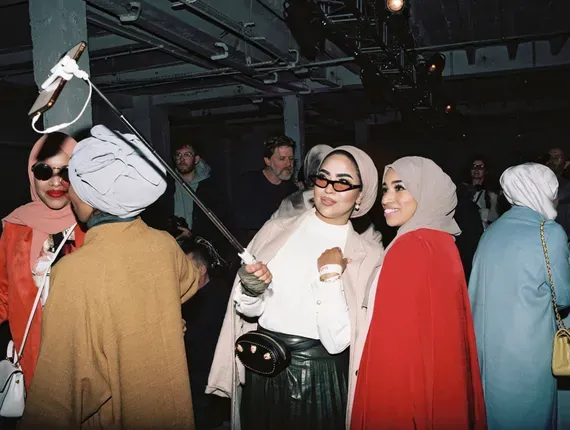
With this shift, the number of people teaching or discussing religion online has also increased. They are often referred to as “religious influencers” or “halal influencers.” Their content has evolved beyond basic Islamic teachings to a lifestyle that is inspired by Sunnah and Quranic teachings. In this way, religious teachings are integrated into everyday life.
For instance, in the niche of finance, they discuss the halal methods of earning; in fashion, the concept of modest wear is highlighted; beauty and makeup influencers use halal makeup; and life examples of prophets and Sahabas are incorporated with daily life understanding for promoting motivation, hope, and optimism among people.
It is also important to acknowledge that religion and anything associated with it always get significant attention. More audience engagement leads to higher viewership and follower count. As a result, such accounts are approached by brands for their product promotion. And many halal influencers do promote products that align with the content they are promoting. And in turn, they receive financial compensation. So promoting religious content, if it becomes a source of income, is a positive thing for them. But only if income is not the primary goal, and religion is not exploited for personal gains.
However, it’s important to acknowledge that there are always other perspectives to consider. At the same time, some influencers are really striving to connect people with their faith and help them to incorporate religion into their day-to-day lives. Some people use the same things just for their personal benefits, to get public attention, financial gains, or any other benefits.
Halal influencers not only promote religion but also play a significant role in promoting religious awareness. As long as someone is doing positive work with a positive niyyah (intention), it holds the potential for tremendous reward.