





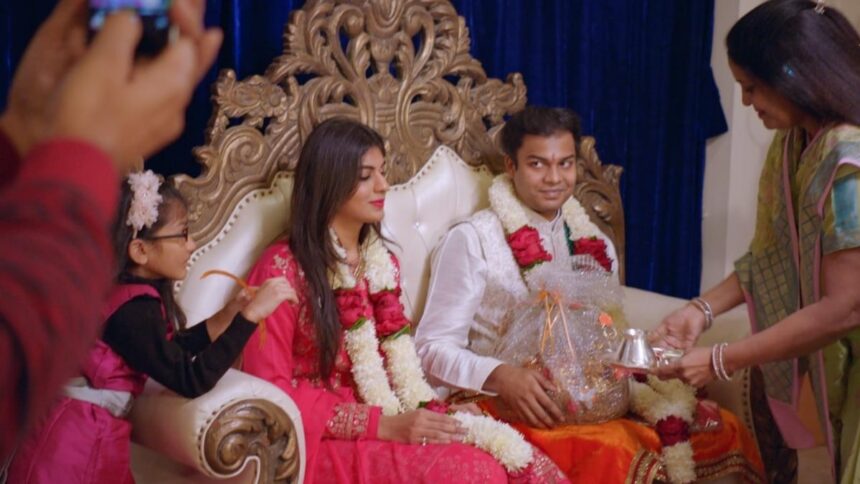
Society frames major milestones not as celebrations, but as financial obligations used to measure worth. The more you spend, the higher your worth becomes. The validity of an event is tied to the money spent on it. If you spend less, your event is viewed as lesser. This creates a high-pressure environment, where a lack of financial commitment is perceived as a lack of compassion and love. You are no longer planning a wedding; you’re now funding a performance to prove your social standing in a society.
The wedding industry exploits emotional vulnerability. The same ordinary product with the term ‘bridal’ has extraordinary costs attached to it. A simple cake now costs thousands when used for wedding purposes. The financial strain affects not only the hosts but also the attendees. The wedding gifts have become a symbol of commitment. Its cost represents who wants to stay in a close kinship with the newlyweds and their families. This exchange of gifts causes others’ pockets to stretch, and they have to resort to spending way beyond their budgets to stick to the family.
Similarly, in terms of education, higher education is presented as an entry fee to the middle class. Crippling debt is justified based on speculative future earnings. Unlike weddings, this is an investment debt. For this, you must attend university right after high school, where an eighteen-year-old signs a career contract which dictates his life. The ethical dilemma here is systemic: the society tells the youth that debt is the only way to dignity, forcing them to pay back even before their first pay cheque.
Family dynamics often act as the invisible engine of overspending, blurring the lines between generosity and control. Financial strain is often exacerbated by their family, who demand tradition but do not take responsibility for them and overspend.
Every penny spent on one-day events is not invested in assets, emergency funds, or mental health. Breaking this cycle requires divorcing the emotional significance of a milestone from its price tag. A wedding should be the start of a marriage, not bankruptcy, and education should be a tool for freedom, not shackles.