





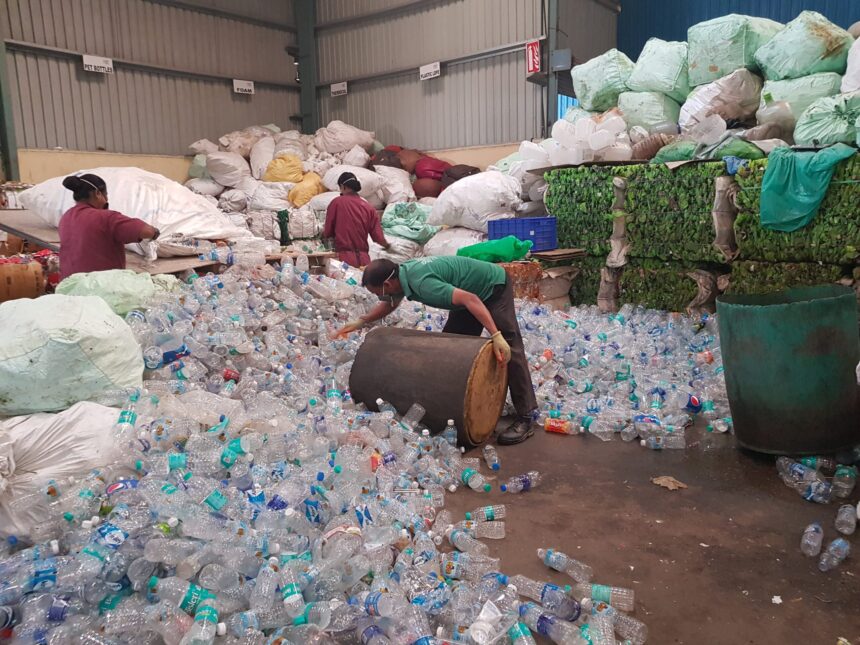
The world, as we’ve come to know it so far, is largely running on two business models: consumerism and convenience. The art of repairing and reusing items is a far-fetched concept for our youth, locked away in a fleeting memory of childhood. The constant hunger to buy newer things for instant gratification has replaced restoration and caused massive destruction of our homeland, Earth.
This shift in mindset has filled landfills drastically, with absolutely no regard given to the destruction of natural habitats. Anything that harms our environment also directly harms us, often in ways we only realise too late, after the damage has occurred. It has permeated our social and economic structures as well. Restoration is an art form we’re losing in real time. People throw away their objects at the slightest inconvenience, which leads traditional artisans to leave their craft behind simply to make ends meet. This method also results in the loss of appreciation for the art that goes into manufacturing. With less regard for the process that goes into making a product, people lose value for the things around them, along with a sense of pride of ownership. Hence, the absence of emotional attachment and admiration makes a product seem less valuable in the eyes of the owner.
The current economic structure further instills this phenomenon by making it cheaper to buy new things rather than repairing the current item. When your phone battery fails or your clothes rip, the default response we’ve built up is disposal. Such behaviour instills the mindset that our resources are infinite in the impressionable minds of kids, completely forgetting the massive carbon footprint that this attitude brings. It builds up emotional distance in relation to the products we own and ultimately the environment we live in. This detachment from our society and our goods emphasises a cycle where the addictive dopamine of buying a new product is short-lived and must constantly be fueled more.
Moreover, the last factor that this inevitable cycle leads to is inescapable poverty. It keeps you locked away in a constant cycle with no breakthrough. When your basic needs are poorly manufactured and wasted away in a short period of time, you will never achieve your needs and climb the tower to buy your wants. This destructive economic cycle is our primary source of global waste. Temporary fulfilment of a consumer’s addiction and a producer’s bank account masks the growing ecological debt we’re currently passing on to the upcoming generations, stealing away their resources as well.
You may be surprised to learn that the opposite of consumerism is much closer to you than you think. Artisans such as a cobbler or a tailor represent an environmentally conscious answer in this day and age. By supporting local repair shops, we not only help the environment but also revitalise local communities, art, culture and heritage. Going back to older techniques is hard work since they’ve been labelled as ‘outdated,’ but this change is needed now more so than ever, not just for our sake, but for the next generation.