





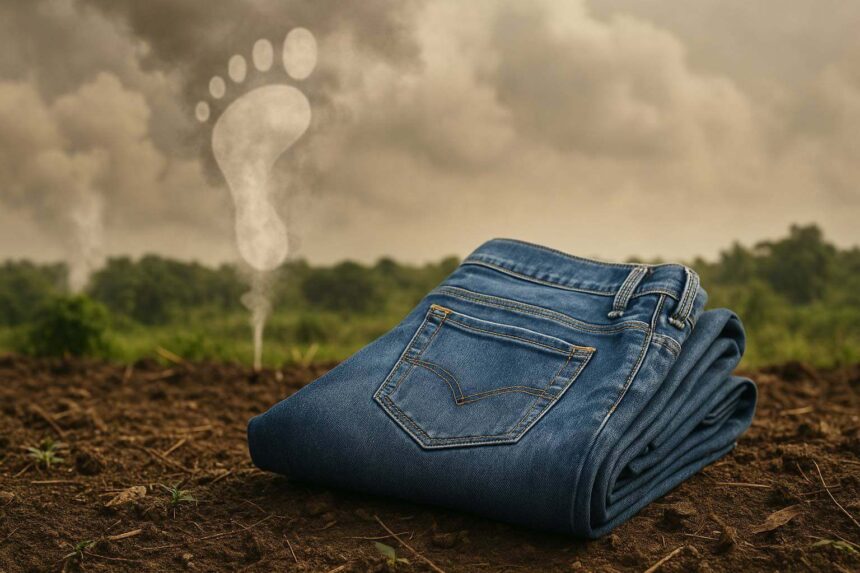
Fast fashion is something we, as a society, are simply not concerned about. You scroll through reels about “Shein hauls” — where the influencer shows about 20 bags of trendy clothes, shoes, accessories — you name it. While we are often envious or try to keep up with these trends, we fail to recognise the consequences of buying from these outlets. I believe it is unusual to purchase twenty different tops and jeans within a single month. It’s an overconsumption disguised as “aesthetic.”
Fast fashion refers to clothing items that are mass-produced at low costs to keep up with trends when they are at their peak. Famous outlets like Zara, Shein, H&M, etc are all using this strategy to profit while underpaying workers.
Fast fashion originally emerged during the Industrial Revolution, when sewing machines and textile machines were introduced. It made work a whole lot easier — faster production, fewer workers to pay and more sales equated to more profit. Over time, “sweatshops” became the foundation for the production of clothing.
Have you noticed it? How do these major brands manage to deliver your orders within days? How do they have new designs on their racks every other week? Today, global sales of clothing items are estimated to reach 80-100 billion annually.
Impact
We often overlook the impact these seemingly harmless clothing items have. The following are just some impacts that the fast fashion industry is actively contributing to:
Water Consumption
This industry is one of the largest consumers of water as well as one of the largest water polluters. The industry uses large amounts of water and energy to mass-produce its clothes. The leftover water? Dumped.
Waste
Let’s move on to how these clothes are non-biodegradable. Brands go for the strategy of quantity>quality. Hence, they produce the type of clothing that can be worn for a limited time before it is either tossed into the trash for getting worn out or goes out of trend. Clothing items are made from two types of materials: synthetic and natural. Brands rely on synthetic materials, which are cheap and less environmentally friendly. So your clothes are mostly plastic. They not only make a profit from producing cheaply but also from people coming to buy again and again, and it turns into a cycle.
These clothes end up in landfills and take hundreds of years to decompose.
Sweatshops:
Brands carefully pick out countries and regions with little government control, where workers work less than the minimum wage and produce clothing in terrible working spaces. Sweatshops are mostly based in countries like China, Bangladesh and India. In 2013, an eight-floor building collapsed, killing around 1,134 workers in Dhaka (Rana Plaza). Working conditions have proved to be extremely poor, paying less than minimum wage and exploiting women and children.
Conclusion
In conclusion, to combat fast fashion, people should turn to slow fashion. Start upcycling, thrift more often, donate clothes to the needy, and stop supporting brands that exploit desperate people.
One person at a time, we can reverse the damage on the planet.
Great, it was informative