





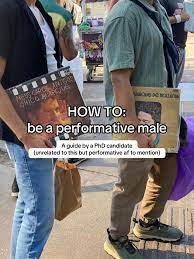
Performative Male Inventory: When Cristiano Ronaldo shares his morning routine — 6 AM ice bath, certain CR7-labelled supplements, designer training clothes — he is making visible how contemporary masculinity has turned into an inventory of branded commodities and lifestyle decisions that men purchase, wear, and show to express a particular version of manhood.
This is the performative male inventory: a painstakingly curated list of consumer products, experiences, and behaviours that become branded content without being produced as such, and which are used not to provide satisfaction, but to signal to an audience about how good the user can be. From Karachi to New York, they are involving millions of men in the brand management of their masculine identity without their knowledge.
From Identity to Inventory
Similar to companies producing branded content to make a commodity purchase but being met by the promise of value, contemporary men edit their whole lives into content aimed at spreading a certain male brand of masculinity. All of their purchases are assets to their male performance, and all of their hobbies are an accessory in their branding presentation.
Furthermore, consider the empire of Joe Rogan. His podcast is not a show; it is a 3-hour advert that sells a specific masculine lifestyle. His sauna, which costs 75,000 dollars, Alpha Brain supplements, bow-hunting equipment, and elk meat diet are not random personal choices. They are stock items of his manly brand and have a million followers who attempt to imitate, making what sociologist Pierre Bourdieu referred to as cultural capital, specifically consumption that drives the idea that one can use consumption to connote social position and identity.
This movement has an earth-shattering effect: boys do not just purchase items anymore. They are purchasing ingredients for their main act, creating a store cupboard full of labelled products, which creates a narrative of who they would like to be seen as opposed to who they are.
The Branded Content Lifestyle
What Bear Grylls sells is not wilderness education but inventory: tactical gear, survival equipment, and outdoor clothing targeted toward social media use and not necessarily real survival. Men in cities spend thousands on camping kits to go camping twice a year, but the equipment works just fine as props for masculine branded content.
In the same manner, the existence of Gordon Ramsay goes beyond the kitchen. His knives and restaurant experiences also become social status driven by the high prices and the quality of ingredients that he uses. Its fans create parallel gourmet finesse repertoires, purchasing his brands and taste preferences, and posting acquisitions as artefacts constituting the reputation of taste and masculinity.
Also, Elon Musk posts optimisation methods: branded content such as particular supplements, sleep patterns, and work schedules. His followers buy and practise his optimisation inventory, and the self-improvement is branded as workout videos and productivity advice that convey the message of male discipline.
The Performance Economy
Social media has led to the phenomenon of the so-called permanent front-stage performance as described by sociologist Erving Goffman. All masculine decisions transform into possible materials, and purchases into a stock of further posts.
Moreover, the attitude is such that men have learnt to treat masculinity as creators of content, and they are to constantly produce content that will further them as a masculine brand, thanks to their consumption and recording. Their name has turned into branded content.
Likewise, stroll through any high-end coffee store, and you will find the curated images of the petit-bourgeois male: perfectly groomed beards, pricey leather accessories, and discussions of artisanal items. These men have been taught to be masculine through their observation of role models and compilation of a branded inventory of ways to live.
Their Instagram feeds disclose Marxism: the pictures you take when you set up the coffee, videos of working out, the shelves full of whisky, and the videos and photographs of going on adventures. All the posts promote their respective masculine stock to their communities.
The Psychology of Masculine Marketing
This forms the so-called other-directioned personalities, as coined by David Riesman, men who are always in need of having somebody to confirm that they are doing well as men. They are addicted to something non-improving: likes, shares, comments, and social acceptance.
In addition to this, online communities with men in them are full of anxious discussions of normative inventory — which watch brands mean you have made it but not too much, which coffee equipment works for Instagram shots, and what books to put in the Zoom background. The desperation presents how tiresome this performance has turned out to be.
The men state that they are pressured to relentlessly produce materials that preserve their masculine reputation and acquire new merchandise to keep their acts new. These people do not see hobbies as connected with their personality; they select hobbies depending on how they will photograph in the real sense and not the pleasure in the hobby being chosen, and they are caught in that bind that the interest may be secondary to the needs of the brands that they are honour-bound to achieve or to possess.
The Commodification Machine
The brand’s masculine branded content industry has supported whole sectors dedicated to assisting men in purchasing the items to fill out their performative inventory. Standalone subscription services such as Birchbox Man send the curated men’s content directly. Brands such as Manscaped, Ridge Wallet, and MVMT Watches openly position themselves as ingredients to branded content of the masculine variety.
Performative Male Inventory
Such companies know that they do not sell products but inventory items to be used in masculine performance. They do not appeal to the functional benefits of their products, but rather the marketing is aimed at showing how their products will enable men to communicate their masculine brand better. The subscription model can be especially telling: men are quite literally paying companies to create their masculine branded content so they can take the performance of their identity and farm it out to marketing algorithms.
The Hidden Costs
When masculinity gets turned into branded content, it is almost impossible to draw the line between being genuine to oneself and marketing. Men lose their connection to their true interests, as every decision has to be assessed on its branded content possibilities as opposed to personal gain.
Moreover, it may have the greatest psychological cost. Men overall say they experience emptiness despite their groomed success, as they have perfected their masculine performance to outsider measures of success and not to self-contentment. They master the skill of engaging in interests which, in reality, are not enjoyed and are listed as a list of products which serve as an accessory in their masculine content as opposed to serving as a means to fulfilment.
Beyond the Performance
In a nutshell, the emergence of this masculine branded content shows us something much more fundamental, and that is that once everything is content, and everyone is a brand, the only way to express yourself truthfully is to not succumb to the obligation of making yourself into a marketing campaign.
Maybe being a good man has its source not in the optimisation of your set of male goods, but rather in dropping the act altogether. The most extreme masculine gesture may not be rebellious, but the refusal to commodify the self into branded products.
Real masculinity does not need a sauna costing 75,000 dollars with a fictitious whisky collection. It may include the creation of true interests despite their content potential, the creation of real relations instead of dealing with the audience, and the total concentration on personal results and established measurements instead of brand results.