





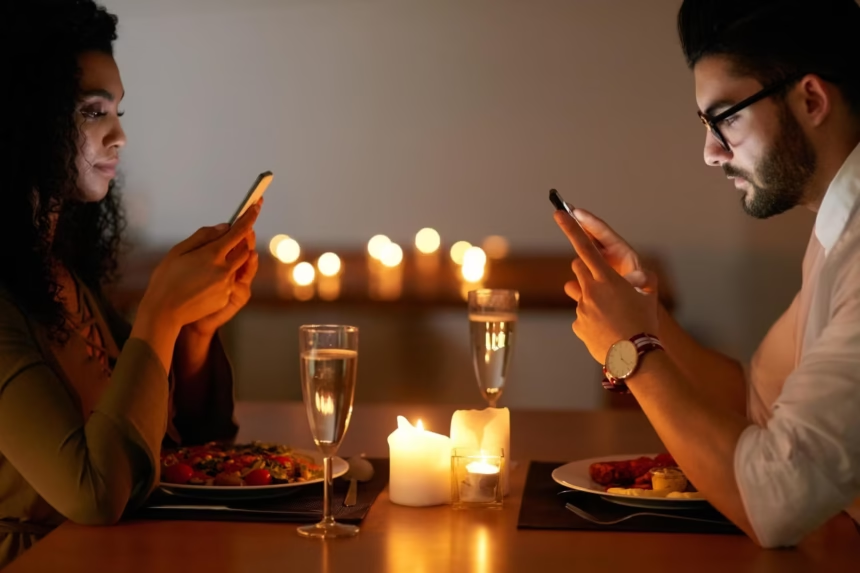
Last Tuesday, I was at this pasta place, and the woman at the next table got her carbonara. It looked incredible… She didn’t touch it. Just repositioned the plate. Adjusted her napkin. Made her friend move the bread basket. This went on for seven minutes. By the time she finally ate it, the pasta was cold and gummy.
You’ve done this too. I know you have.
When did dinner become a photoshoot?
It wasn’t that long ago when food showed up and you just ate it. That was it. Now there’s this whole production number before anyone can take a bite. Everyone sits there waiting, forks in hand, while someone fiddles with angles and lighting.
You know that moment when you taste something amazing and it surprises you? We’re missing those now. Too busy trying to capture them. We swapped the real experience for likes from people who honestly don’t care what we ate.
Your phone is a terrible dinner guest
Think about what your phone does. It interrupts everything. Demands attention before anyone eats. Makes the meal about itself. Contributes nothing but somehow runs the show.
You invited the most annoying person imaginable and keep bringing them back.
We pick restaurants now based on how they look on Instagram, not whether the food’s good. We order things we don’t want because they photograph well. We sit in bad seats under harsh lights because the wall behind us is pretty.
And the person you’re actually with? They’re an extra in your content production. “Wait, don’t eat.” “Move your hand.” “You’re in my shot.”
These shouldn’t be things people say at dinner.
The memory lies
We tell ourselves we’re preserving memories. Building a visual diary. We’ll look back and reminisce. When did you last scroll through old food photos? When did you look at that avocado toast from 2022 and feel anything?
You didn’t. It’s just a picture of bread with green stuff.
Real memories aren’t about what food looked like. They’re your friend’s joke that made you snort-laugh. Your grandma teaching you her recipe with flour everywhere. An unexpected flavour. Eating something great with someone you love in comfortable silence. None of those moments is captured in an overhead shot at a 45-degree angle.
You’re saying something when you do this
Making someone wait while you photograph your plate sends a message: this post for strangers matters more than you do.
I’ve been that person. We all have. But it’s doing something to us.
We’re rewiring ourselves to experience life through screens. The highlight isn’t the taste or company anymore — it’s posting it and counting likes. We perform our lives instead of living them.
The people eating with you notice. They feel you’re not really there. They don’t mention it because they’re doing the same thing.
Restaurants made it worse
The industry recognised this and jumped into action. Places design dishes for Instagram first, taste second. They hire food stylists. Some put ring lights in bathrooms.
They build elaborate towers that fall apart when you eat them. Some dishes are so dramatic that they require you to destroy something beautiful in order to sample them. Desserts arrive smoking with dry ice — looks cool, tastes like nothing special.
Chefs complain food gets cold during photo sessions. Servers say tables sit forever, not talking, just editing photos. Some places banned food photography, and customers acted like their rights got trampled.
Everything changed to feed our worst habits. We made it happen by deciding that “Instagrammability” mattered most.
Coffee became theatre
Coffee’s a whole performance now. Baristas pour latte art that gets photographed from every angle before being drunk cold.
People drive across town for cafes — not for good coffee, but for aesthetics. The logo. The foam design. The actual coffee — smell, first sip, warmth — doesn’t matter as much as how it photographs.
I saw someone spend ten minutes photographing a cappuccino during an entire conversation without making eye contact once. Coffee got cold. Conversation stayed shallow. The photo got 200 likes though.
“It’s harmless fun”
People say I’m overreacting. It’s harmless. You can take photos and enjoy your meal. You can’t. You’re not multitasking. You’re splitting attention so many ways you do everything badly. Your photos aren’t good (phone pics in restaurant lighting are mediocre). You’re not tasting your food properly. You’re not present with whoever’s across from you.
“Food’s always been social!” Sure. But sharing food used to mean passing dishes, stealing bites, and arguing about seasoning.
Now it means broadcasting to strangers who’ll never sit at your table.
What we actually want
We don’t photograph food because it looks good. We do it because we’re starving for validation. Trying to prove we’re living right, eating at the right places, and making the right choices. Likes can’t satisfy that hunger. The emptiness isn’t about food — it’s about connection, meaning. Here’s the irony: documenting every meal destroys the thing that might feed us — real connection over shared food.
Stop
Stop photographing your food. Stop making people wait. Stop picking restaurants for their walls. Stop interrupting conversations to document drinks. Eat your pasta hot. Look at the person across from you. Have a real conversation. Order food you want to taste. You won’t have pictures of every meal. You’ll remember things with your brain instead of your camera. You might forget some meals. That’s okay. Humans did this for thousands of years. We survived. We had meaningful experiences. We connected. We were present.
Put it away
The camera overstayed its welcome. Next dinner, try this: keep your phone in your pocket the entire meal. Eat food while it’s hot. Talk to your people. Be there. Food tastes better. Conversation’s richer. The real memory – in your head – sticks longer than photos.
If you need to share? Use words. Tell people later, “This pasta was incredible.” “You have to try this place.”
Remember doing that? When experiences mattered without photographic proof?
Not documenting dinner won’t end the world. Your relationships might improve, though. Put your phone down and pass the bread.