





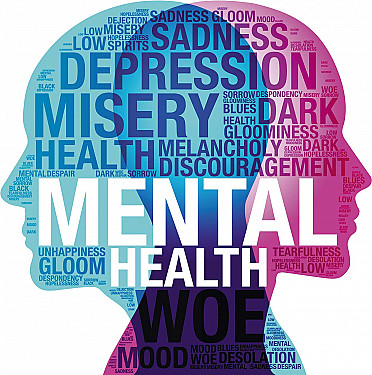
Mental health is referred to as emotional, psychological and social well-being. It influences the way people think, feel or act in their everyday lives, solve stressful situations, relate with others, and make their decisions. As much as physical diseases like heart ailments or diabetes need treatment and control, mental health complications like depression, bipolar disorder, stress, and schizophrenia need the probing of a professional.
The World Health Organisation (WHO) estimates that one out of every four individuals in the world will at least have a mental health problem in their life. This means that almost every person has a friend, relative, sibling or work associate who has been struck with it. Regardless of this spread, mental health remains misconstrued, underdiagnosed, and untreated.
The Cost of Ignoring Mental Health
The consequences of ignoring mental health are very dire. On the personal level, untreated conditions may provoke deterioration of the symptoms, withdrawal, drug abuse and even suicide. Even suicide has become one of the key causes of death globally, especially among the youths, and yet it is still stigmatised and is hardly ever talked about. At the societal level, ill mental health presents itself as a loss of economy.
Depression and anxiety on their own are estimated to result in a loss of over 1 trillion to the global economy in ‘lost productivity’ annually by the World Bank. When employees are stressed, burnt out or mentally ill, the chances are that they would miss work, underperform or quit the job completely. In school, learners who are faced with mental illnesses tend to have problems with focus and learn less or drop out of school much more than the rest.
Stigma and Misconceptions
Among the greatest deterrents of growth is the stigma. Mental health problems are usually considered a weakness of a person or a personal failure across cultures. This puts off people that fear they may be judged or discriminated against in seeking help. In so many societies, talking about depression or anxiety is a taboo, and families easily soothe down the symptoms under the hopes of them disappearing.
These myths increase the time span to treatment, which causes the conditions to intensify. They also deny the society a beneficial atmosphere where individuals feel secure to express their distress. To reduce the stigma, we must be educated, open up, and seek therapy/counselling.
The Role of Technology and Modern Stress
Even though technology has found a way to connect the world in an impressive manner, we have seen increased mental health issues. Incessant engagements in social media are the main cause of comparison, loneliness and cyberbullying. The desire to be able to portray a perfect image online can heighten these insecurities, especially among the teenagers and young adults.
Meanwhile, the stressful and anxiety-related modern lifestyles characterised by long working days and economic and political uncertainty further contribute to stress and anxiety. The issue of the weakness of mental health was further emphasised by the COVID-19 pandemic, as isolation, the fear of sickness and the loss of their jobs resulted in a global epidemic of depression and anxiety.
Why We Must Take Mental Health More Seriously Now
There are several compelling reasons why mental health needs to be prioritised:
- Human Dignity and Quality of Life
Each human being should have a right to live an honourable life, and mental illnesses deprive a human of happiness, self-confidence and meaningful purpose. Addressing mental health in a serious way is the respect of the basic human rights.
- Youth at Risk
Since young people constitute the backbone of most societies, their mental condition should be taken care of.
- Economic:
Sound economies are driven by sound minds. Through spending on mental health care services, governments and corporations cut the losses in productivity and healthcare expenses and eventually enhance the growth of nations.
- Avoiding Tragedies
Suicide, substance abuse and violence can often be attributed to mental illness that is not treated. Early intervention can save lives, save families and make each community safe.
- Holistic Health
The mind and the body are not bothersome. A depressed patient can forget about nutrition and physical activities, aggravating chronic diseases, e.g., untreated anxiety patients are more likely to acquire heart conditions.
Steps Toward Improvement
Mental care must be dealt with by governments, institutions, and individuals. The main steps are as follows:
- Increase Availability of Services – Accessible and cheap counselling institutions, mental facilities and communal programmes should be made available, particularly in the countryside.
- Incorporation of Mental Health into Primary Care – The physicians and nurses should receive training to screen and treat mental health problems as part of the appointment.
- Campaigns to create awareness – Media, schools and workplaces must work to stop the spread of stigma through mental health education.
- Promote Open Discussions – Families, friends, and communities should encourage open discussions where one can talk without judgment.
- Using Technology to Do Good – Using apps and online support groups to help the mentally ill who may not have a chance of getting care otherwise.
Conclusion
Mental health is not a commodity or something of second priority; it is the underline of human well-being and social development. Mental health should be considered equally with physical health, and it is time that societies invest in the services, dismantle the stigma and ensure supportive environments.
In a bid to create a healthier and better world with more durable relationships, we need to remember that taking care of the mind is also critical along with taking care of the body. All dialogue, policies, and acts of compassion make a future where mental health is no longer a footnote but a universal concern, a reality.