





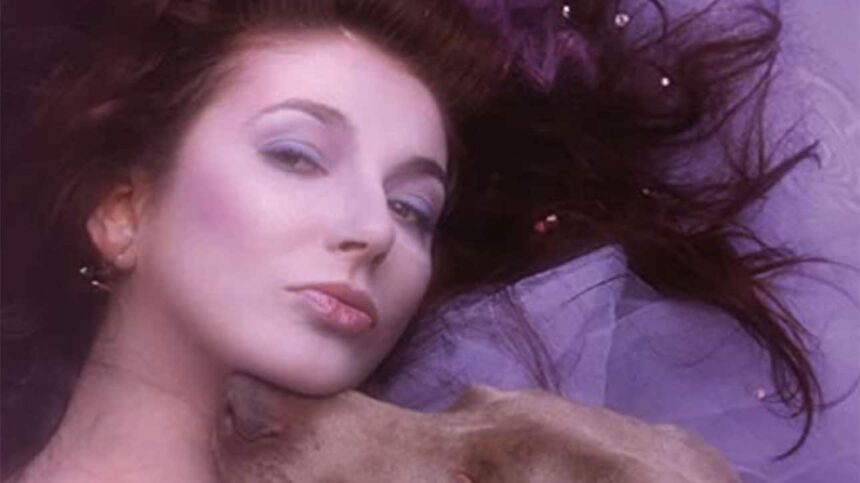
Music from the 1900s to the early 2000s has experienced a strong revival in recent years. Songs that were once listened to on cassettes and the first MP3 players now have millions of views on TikTok, dominate Spotify playlists, and even feature in new movies and commercials. Old music is not only getting a new life but also a generation of new consumers/customers as well.
But why is this happening? Why is the resurgence of these old classics so sudden? There isn’t just one answer. Instead, a blend of nostalgia, technology, culture, and creativity has brought about a significant resurgence. Old music has that eternal appeal, but the new media and the world at large have taken it beyond its limits like never before. Here is a better insight into the reason behind the growing popularity of these older songs nowadays.
- TikTok and Social Media Are Reviving Old Hits
The biggest trend driver has been social media, and in particular, TikTok. Even songs released decades ago can become viral in a mere 20-second clip. Dreams by Fleetwood Mac (1977) rose to the top of the world charts in 2020 due to a viral skateboarding clip.
On the same note, such successful songs as Running Up That Hill (1985) or Say It Right (2006) went viral as they were used by the audience in trends, edits, challenges, or aesthetic videos. The algorithm does not treat release dates as a factor of promotion; it simply promotes what people are interacting with. This allows older music to have a fair opportunity to become trendy again, sometimes even more so than newer releases. All music streaming apps are available nowadays.
- Streaming Platforms Make Old Music More Accessible
Previously, citizens listened to anything on the radio or television. Today, websites and apps such as Spotify, YouTube, and Apple Music allow access to almost any song ever produced immediately.
Playlists such as Throwback Hits, Oldies but Goldies, and 90s Pop Classics constantly play older songs. Young listeners and those who have only heard the songs once often feel as if they are discovering something new, even though the music may be 30 or 50 years old.
- Nostalgia Is Powerful, Even for People Who Didn’t Live Through That Era
The nostalgia is not limited to the individuals who have lived during a particular decade. This is because teenagers are fond of the vibes of the 1980s, 90s, and Y2K—the fashion, aesthetics, and sound. Older songs feel cool and fresh with the use of vintage filters and grainy and retro styles. Older music tends to provide people with authenticity and emotion, and it does it with:
- Real instruments
- Raw vocals
- Meaningful lyrics
- Unique styles of production.
This is one reason why dated songs remain timeless and emotionally relevant.
- Movie, TV, and Game Soundtracks Are Reintroducing Old Music
Moviemakers and videogame creators frequently resort to older songs to set the mood or emphasise some particular moments. One placement is enough to make a forgotten song a worldwide hit. Shows and movies like:
- Guardians of the Galaxy
- Barbie
- Grand Theft Auto
Have revived an immense number of classics to new readers. When listeners listen to a catchy song in a programme or game, they turn to the Internet to search for the song, which provides it with millions of new streams.
- Artists Sample and Remix Older Songs
The young generation of artists likes to sample the old hits, and this assists in bringing them back into mainstream culture. As an example, Beyoncé, Drake, The Weeknd and Doja Cat have all sampled 80s/90s music.
DJs remix old songs that were released in the early 2000s, hence returning to the trend. The new songs were mostly imitating the styles of 90s R&B or 80s synth-pop. When the younger listeners like these new songs, they end up liking the originals.
- The Younger Generation Wants “Better Music”
Modern music can be repetitive and overproduced, and this is what an increasing number of listeners, particularly Gen Z, claim. Older music always feels fresh due to:
- Unique sounds
- Diverse genres
- Strong melodies
- Memorable voices
These songs are not considered “old”; rather, they are considered different, which makes them appealing.
- Parents Pass Down Their Playlists
The other unexpected influential aspect: the family influence. Children are exposed to their parents listening to their favourite music in the car, at home and even in celebrations.
Over time, these songs also become ingrained in their memories. With Spotify now, children can simply add those songs to their personal playlists and even broadcast them on the internet.
- The Retro Aesthetic Trend and the Y2K
The Y2K style of low-rise jeans, a flip phone, blinged lip gloss, and glitchy edits has resurfaced the era of the early 2000s. Music and fashion are linked, so the pop and R&B hits of that time and the clothing style both returned.
In like manner, the neon style of the 80s, the grunge style of the 90s, and old-fashioned film photography have made people find out the music of those times.
Conclusion
The songs of the 1900s-early 2000s are getting popular once again since the world is more interconnected, innovative and nostalgic than ever. Technology is giving old music a second chance, and culture gives it meaning.
It may be TikTok trends, scenes in movies, remixes, or just an old playlist from a parent, but these songs are still spreading across generations. And maybe that is the beauty of music; really, eternal songs never fade away. Their sole hope is that the world will rediscover them.