




In modern times, convenience has become the most valuable aspect of daily life. From food delivery apps to one-click online shopping, people are able to satisfy their needs almost instantly. However, such convenience often hides the invisible and environmental costs behind it.
Without having to even move from the couch, a click can get you a hot meal delivered. This is the most typical convenience. However, this ease often hides the invisible and environmental costs. Convenience does not remove labour; it merely displaces it. Modern technology and services remove friction — the time, effort and difficulty involved in a task. While this approach seems beneficial, it creates an illusion that resources are infinite and effort is unnecessary.
An example of this phenomenon is how delivery services have streamlined human life. From food to clothes, everything with a simple press is at your doorstep. Such an arrangement helps gain more time, but one loses awareness. The friction of hard work behind it goes unnoticed. While it feels like freedom, it is actually a highly dependent state.
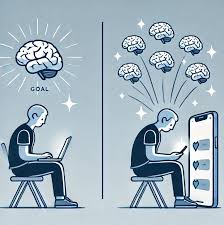
The desire for convenience exploits our dopamine pathways, creating an addiction to speed that overrides ethical deliberation. When we click a button and receive a reward immediately, our brain reinforces this behaviour. This is also termed “operant-conditioned learning.” This creates a feedback loop where patience is viewed as a failure of the system rather than a virtue. If we cannot wait two days for a package to arrive, we certainly cannot investigate the labour conditions behind it.
The ease of the user interface hides the gruesome reality of the backend workers. The physical and mental toll that the consumer has paid to avoid is absorbed by the workers behind those services. Factory workers, delivery drivers, and gig workers go through the hard work that the consumer has forgotten. This creates an “out of sight, out of mind” illusion.
Focus on the environmental costs. True convenience usually involves single-use materials, plastic packaging for meal kits, fast-fashion garments worn twice or coffee pods. The cost of cleaning, repairing or reusing is removed by the person but paid by the ecosystem. The cost of an item does not really reflect its environmental cost. We are essentially taking a loan from the environment to pay for our current comfort, leaving a debt for our future generation to pay.
The solution is not asceticism but a conscious reintroduction of positivity to friction. We must take responsibility to make the invisible visible again. Choose repair over replacement, wait over hassle, reusing instead of discarding, and vote for a world where human dignity and environmental health are more valued than the speed of a delivery.