





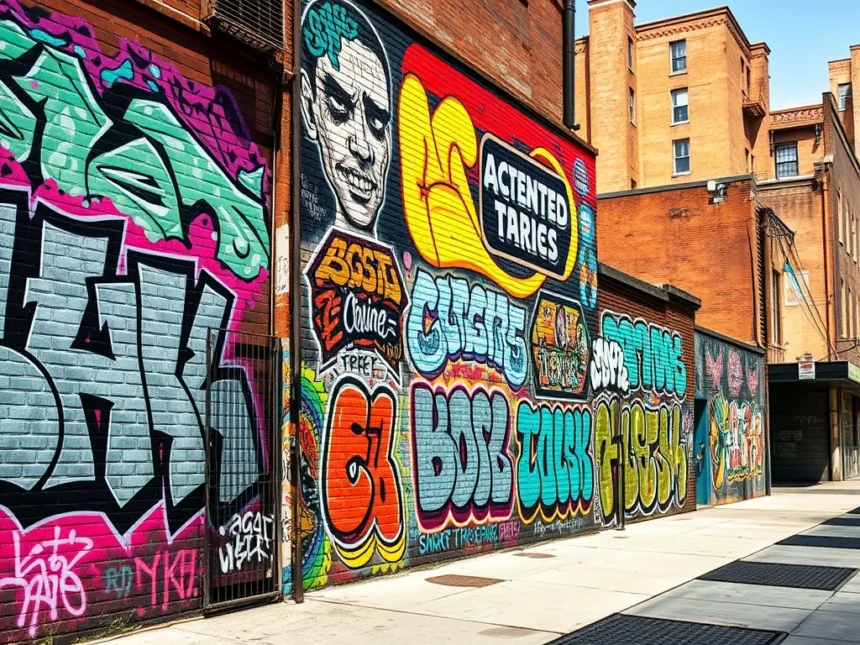
The street walls of any country are witnesses to its history. They take us through the pages of history, revealing the turmoil taking place in a country and the progress it has made so far. Graffiti and murals on the walls were used as a way to rebel when voices were shushed down out of fear. The walls had been victims of political outrage and vandalism. The ads that usually didn’t make it into the newspaper were openly displayed on them. Like the ads for doing black magic on someone or treating a disease that would normally not be talked about in public.
During elections, the walls served as a free display of different party slogans and political hate. The graffiti symbolised the dominance of the political party in that particular area. It was the best weapon to use against your opponent. To insult them publicly. To make a mockery of them. This was done to demonstrate who controlled that specific area.
The graffiti on walls was also used to incite sectarian hatred. In many cities like Karachi, Quetta, and Lahore, the walls became a channel to spread messages of religious intolerance and hate among sects. A whole area’s reputation would depend on these walls. The people hesitated to venture into such areas that displayed signs of hatred.
However, as other urban structures started to improve, these walls also got well-deserved attention. They are now being used as a medium to promote culture and arts. They are painted for the celebration of different festivals. They serve as a tool to foster connections among people, rather than creating divisions. The initiative also gives young students and volunteers the opportunity to share their art with others in a society where the arts don’t get much recognition. In Karachi, such youth-led mural movements have transformed the landscape of the city, turning it into a symbol of creativity and hope.
In Lahore, the murals pay homage to the city’s vibrant history. The transformation of the Walled City alleys has made them an attractive spot for the Lahoris. The reclaiming of these walls testifies to the fact that our society has become more open to dialogue rather than conflict. They are ready to coexist in a manner that respects and celebrates all our differences. The people are ready to take the shared responsibility and ownership of their city.