





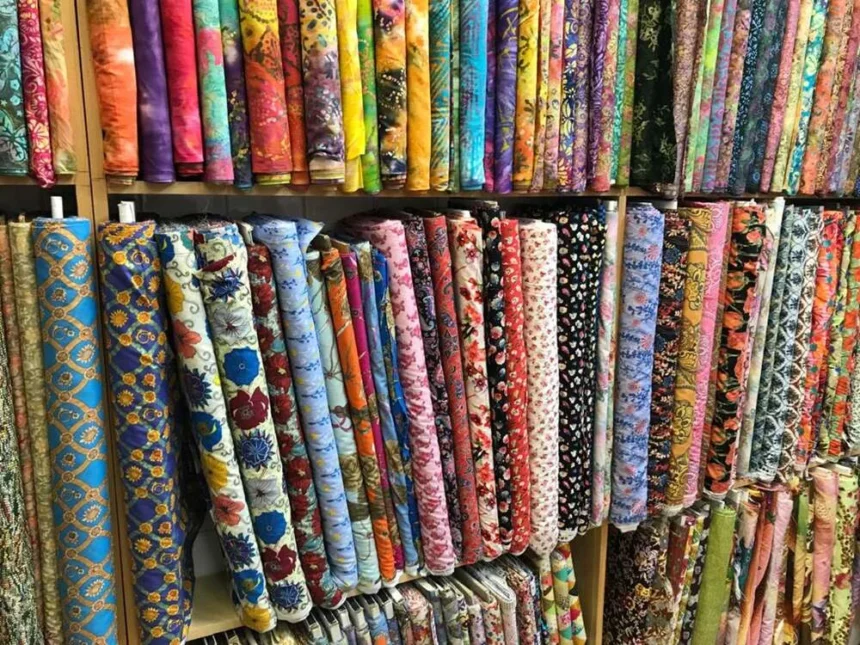
The story of Lawn is that of rags to riches. It evolved from a basic cloth best suited for warm temperatures to gaining popularity over centuries and finally becoming the foundation of high fashion appeal in Pakistan as designer lawn. As the industry flourishes due to national obsession, it becomes the mastermind that decides what is tasteful and what is not.
Lawn has a breathable, lightweight, and soft texture, making it perfect for the summer season. It’s a plain weave textile with a high thread count, resulting in a silky smooth fabric suitable for the hot weather of South Asia. Originally, fine linen was a prominent delicacy around the globe. Originally a linen fabric from Laon, France, it evolved into ‘cotton lawn’ during the British era when fine Indian cotton became the preferred substitute for European linen. After the partition, Pakistan’s textile sector is now strongly involved in lawn production and is a global powerhouse, with the broader industry contributing over $18 billion USD (roughly 5 trillion PKR) to annual exports. The public’s admiration for the lawn in Pakistan has grown to the same extent as it did for silk in India.
While basic lawn has been around for over a century, the ‘Designer Lawn’ phenomenon that turned fabric into a status symbol really took flight in the late 1990s and early 2000s. The comfort it offered on a hot summer day, coupled with its affordability, quickly made it a popular choice among the masses. Mangoes and watermelons weren’t the only representatives of a fine summer in Pakistan anymore. Lawn took over and made summer the official ‘lawn season’. Initially, lawn suits were kept plain for everyday wear, but their prevalence in the fashion industry introduced intricate patterns, designs, and bold colours to them.
And since the beginning of the 21st century, designers and brands have turned lawn from a fabric to a status symbol. Alkaram, Sana Safinaz, Sapphire, Gul Ahmad, Junaid Jamshed, Maria B, and many more brands crafted lawn from a simple, humble garment into a higher-quality cloth and doused it with elegance. Designer lawn contains a mixture of silk or satin along with cotton, which retains all its soft pleasantness while having a higher wear life even after multiple washes. A middle-class woman may find designer lawn affordable in the lowest price range, starting from 2-5k, but the price can rise as high as 20k for an unstitched 3-piece suit. No doubt that with the addition of detailed craft, laces, and embroidery, designer lawn lives up to its name.
However, class difference is a complementary tag that now comes with it. The logic is simple. Designer lawn is not made for lounging around; it is associated with sophisticated taste, and its upper price ranges are definitely not everyone’s cup of tea. But elites flaunt them casually, and manufacturers release a heap of 2nd or 3rd copies to appease women of all backgrounds to participate in the fashion war. This is the reason why ‘flat 50% sale’ signs at a high-end clothing store lead to crowds larger than a wedding and fist fights among shoppers to get the best deals.
Simultaneously, pre-booking and the discounts that come with it are a separate genre of madness. People are now spending more on clothing than they would have 2-3 decades ago because it has become a sign of prestige. In order to fit in society, and especially high society, even an average-income household spends beyond its means. And that is how a mere lawn cotton has become a national obsession.
Societal divides are not the only implication of the lawn. Every designer launches a seasonal ‘in-trend’ collection that becomes dated after some time. Competition in the market compels them to be quick and unique. For now, the glamour looks lovely, but fast fashion leaves a deep, horrible dent in the environment. Seasonal product launches cater to individuals for a limited time span and, through branding, create a sense of urgency in them to spend significant portions of their earnings just to look modern and chic.
Neither the brands nor the customers account for how and how often they discard the bought suits. Around 270,000 tonnes of post-consumer textile waste are created in Pakistan annually. Rewearing the same outfit multiple times is considered embarrassing, even if it was expensive, because its good quality makes it appropriate for ‘multiple wears’. Capitalists focus on producing more. Consumers buy heedlessly. And society becomes materialistic.
Lawn is no normal fixation; it is a multi-billion-rupee frenzy. The textile industry of Pakistan contributes to more than 8% of its GDP, with lawn cotton being a dominant element of it. It also swoops into the agricultural (through cotton farming) and fashion fields. While many designers still produce products worth their costs, a debate has recently emerged across social media about several designers having declining standards of fabrics and inconsistent customer service.
As a major benefactor to our nation’s economy, it is expected that this multi-billion-rupee field continues to thrive. But if people’s concerns persist without adequate rectification from the manufacturers, we will witness how far people are willing to go to possess these ‘status symbols’, even if they fail to serve their demands.