





Sleeping in until noon, endless cash, being your own boss – the glitz and glamour of freelancing are widespread and well known, but what about the gaps, the cracks, and the misclassifications? After all, every fairy tale has its villain.
The villains in this story are policy gaps, a major problem in the gig world, and are often swept under the rug.
Digital platforms often use complex, multi-layered subcontractor networks, such as using third-party companies to employ or manage workers, creating a buffer between the platform and the worker. Furthermore, platforms often misclassify workers as independent contractors rather than employees, hence exempting the platform from providing benefits, stability or legal protections and allowing the platforms to increase profits.
These misclassifications exclude gig workers from classic labour protection laws and benefits because they are denied formal employment status. Alongside this, these workers bear the full economic risk of their work, hence introducing instability and a lack of workplace safety nets, thus making long-term planning difficult.
Lack of social protection can look like no set minimum wage, introducing financial instability and underpaid labour, as well as making it hard to stay afloat during months with low demand or high competition, lack of sickness or injury benefits and compensation along with near-zero pension schemes, therefore making it hard to be financially stable in times of emergency. In many places, social security for gig workers is only voluntary or partial, leaving them vulnerable. Moreover, as social security entitlements aren’t normally portable, it makes it difficult for benefits to follow a worker through multiple platforms or jobs.
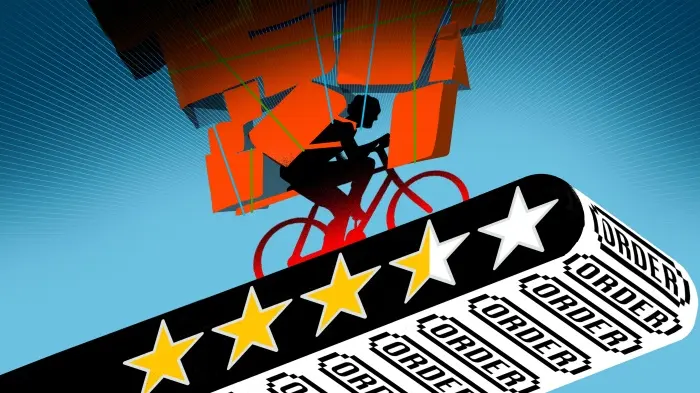
In some gig communities, platforms fail to explain how algorithms determine work allocation, pricing, and performance ratings. This lack of transparency creates a systematic imbalance of power, leading to workers being controlled by digital platforms due to their high economic dependence on these platforms. As a result, gig workers lose autonomy, experiencing a lack of control over their work environment and income, which introduces high stress and anxiety. Existing labour laws struggle to classify the gig economy due to the misclassification of gig workers as independent contractors. Therefore, gig workers have limited paths for legally obtaining compensation or restoration of rights against arbitrary algorithmic decisions.
Fortunately, there are some proposed solutions, including but not limited to the EU proposed directive that strives to introduce a presumption of employment if the platform controls key aspects of work. Some jurisdictions are exploring a third category of workers that provides partial protections, and efforts are being made to mandate access to social security regardless of employment status. Hopefully, this story will have a happy ever after, which some of these solutions can help provide.