





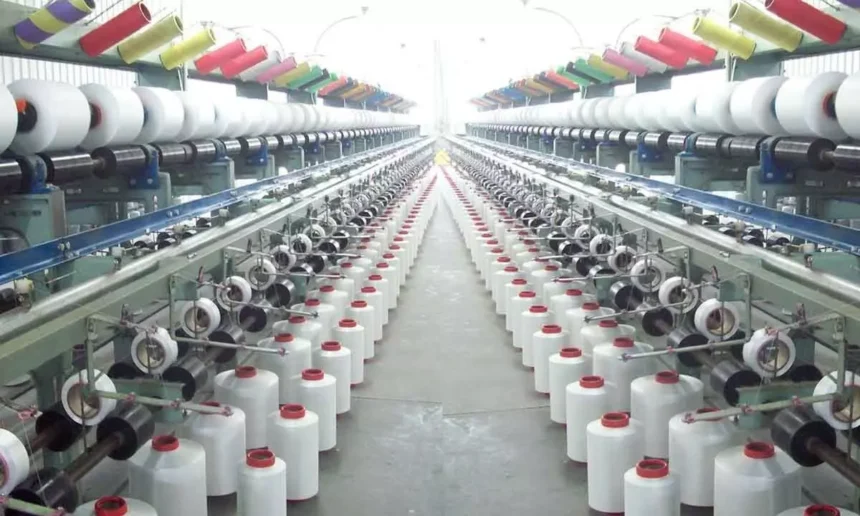
Pakistan’s Textile Boom: You probably own a lawn suit. Maybe two. Maybe your entire cupboard is secretly a shrine to floral prints and chiffon dupattas. And don’t even try to deny that you’ve stood in front of the mirror at least once, doing that little twirl, whispering to yourself, “Wow, this print is so fresh, so nature-y.” Over 40% of Pakistan’s industrial workforce is employed in the textile sector, which is one of the biggest in South Asia. However, beneath that colourful fabric is a massive ecological footprint.
The Ugly Backstory
But hold on; let me ruin that moment for you. That “fresh” outfit? It probably drank more water than your whole family gulps down in a month. Yep, that much, no, I’m not exaggerating. And those bright dyes that make your dupatta Instagram-worthy? They didn’t just magically appear (surprise) — they were dumped into a river somewhere, turning it blue, then red, then green, depending on which batch the factory was churning out that week. Textile dyeing is now the second-largest polluter of clean water globally, and in Pakistan, untreated effluents from factories flow directly into rivers like the Ravi and Chenab. Are you still feeling invigorated? Yeah, I didn’t think so.
Spoiler: You’re in the Story
Wait — don’t scroll away just now. This isn’t just about “them” — the brands or the factories. This is about us. You. Me. The whole lawn-obsessed nation. We clap at every new launch, we line up outside stores like it’s a concert, and then we pretend that the dirty aftermath isn’t stitched into the same clothes we flaunt. Newsflash: if you wear it, you’re in the story. Every “sold out” collection encourages the industry to produce even more, frequently at the expense of the environment and exploited labour, as consumer demand drives production.
Imagine a New Price Tag
Now, imagine this. What if every price tag carried a second label, right under the barcode? Something like:
- 5.00 litres of water were wasted.
- Farmers are left with bone-dry fields.
- Toxic dyes are dumped into the rivers.
Would you still swipe your card without blinking? Would you still brag about being “on-trend”? Or would that Instagram caption feel a little… heavier?
Redefining Luxury
And look — I’m not saying stop wearing clothes (seriously, don’t). But let’s be honest with ourselves: if we want to call something luxury, then it better be made without stealing from the future. Real beauty in 2025 isn’t about how bold the print is — it’s about how clean the process is. Sustainable fashion isn’t about sacrifice; it’s about smarter choices — buying less, reusing more, and supporting local artisans who respect both craft and climate.
The Final Question
So here’s the real mic-drop moment: next time you reach for that floral lawn suit, ask yourself — are you buying beauty, or are you buying someone else’s loss stitched into fabric?
Your move.
Because the real revolution won’t start on runways or in billboards — it’ll start in our wardrobes, with one conscious decision at a time.