





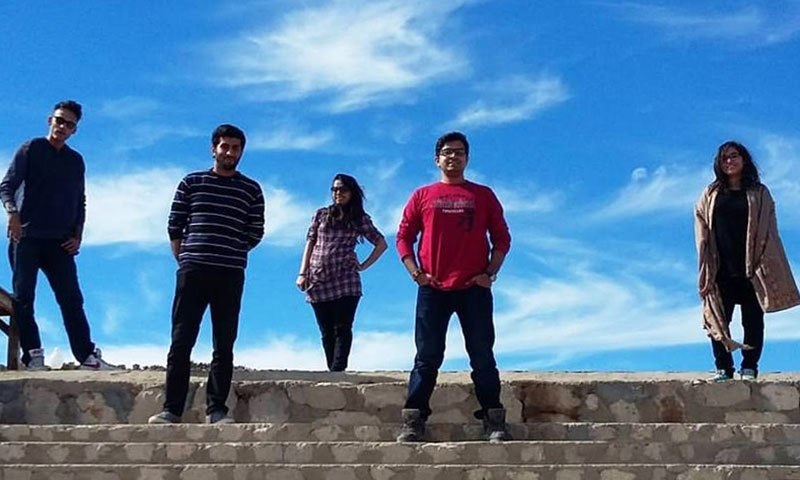
The irony of being young in Pakistan nowadays is somewhat strange: you are too tired before you even start, but at the same time, you have to make everything better. You are the generation of burnout-ers — you were born on promises of development, were given the crisis as your portion, and were still informed that the future of the country lay on your weary, overworked, and undersupported shoulders. When this comes out dramatically, enquire of any young Pakistani who must balance inflation, job insecurity, lumbering politics and the silent pressure to make something of themselves in a system where they have virtually nothing to start with.
The burnout, in this case, does not contain a lifestyle buzzword. It is a lived experience. It starts with the young ones — in the schools where the creativity of students is choked by the old-fashioned curriculum, in the family where a child is taught how to keep his or her emotions under control to live up to the expectations, and in the colleges where the degree seems like a lottery ticket instead of a diploma. Many young adults come to the workforce now with emotional baggage weighing them more than a backpack.
But despite this exhaustion, there is a literal national discourse: the younger generation will rescue Pakistan. Gen Z are like a magical repair crew, full of limitless optimism and infinite strength. Politicians are glorifying youth as the greatest asset of the country, forgetting that an investment that is not invested turns out to be a liability. Employers also require passion, but they offer unpaid internships. Families demand stability without recognising the fact of the instability of the country. Young people are also criticised by society, accusing them of being too sensitive, too distracted or too disillusioned, and society does not even bother to understand how the environment they live in made them become disillusioned in the first place.
Nevertheless, the generation of burnout makes attempts. Not due to the fact that it brings salvation to the country, but because it dreams all the same. Young Pakistani startups, artists, volunteers, inventors, organisers, educators, and advocates do so frequently with meagre resources and boundless audacity. They carry on with economic struggle and continue to struggle to protect the climate, mental health awareness, feminist places, digital liberty, and social justice. They have two opposite facts, which conflict with each other: they are worn out, and they still think about you.
However, caring is not going to solve a nation. Motivational speeches do not treat burnout. The young are not able to save Pakistan, as they are being trampled by the very systems they are requested to change. The country requires system reform, equal opportunities in the labour market, reformation in the education system, mental health care, efficient institutions and a political system where the youth can contribute without intimidation. A generation born in instability cannot possibly stabilise the nation single-handedly, and anything less is irresponsible at best.
And there is something wonderful about this generation. However, through burnout, even though systems are broken, even with the disappointment overlaid with disappointment, young Pakistanis dream of better futures. They continue to argue the policy on Twitter, hold rallies on campus, open small businesses on Instagram, and follow their dreams that the world assured them were too big to fit on the passport.
This is perhaps not that the burnout generation will save Pakistan, but that somehow it has not lost hope in Pakistan. The question now remains, will the country finally meet halfway with its youth?
Pakistan must end up romanticising its youth because, unless it wants to save them, it must build their future with them and because of them. It is only then that a weary generation would finally get the opportunity to be a transformative one.