





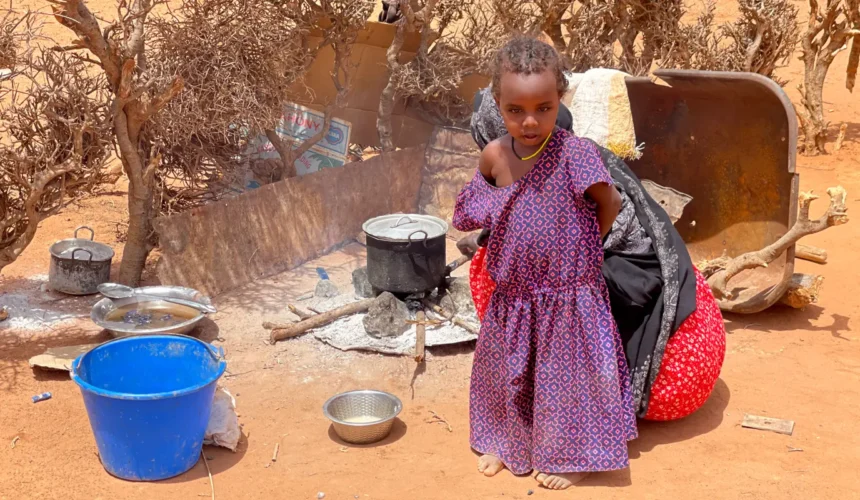
Poverty Feeds its Hunger: The table is served for four, but a fifth presence takes a seat at the head, uninvited yet always nagging — dictating portions. It tears the bread into thinner slices, hoarding the rest of the loaf for itself — out of reach yet always visible in plain sight.
When asked its name, it smiles as if an old friend and simply chants its riddled syllables “I am poverty; poverty is me — when I exist, you are never free.”
You catch its eye and blink, hoping it’ll vanish if you blink hard enough, yet it persists, backing you into a corner until the only way out is to offer more than what you can, to swallow the hunger from within and pretend having less is more.
This is how poverty intrudes, an uninvited guest that needs neither reason nor permission. For families, poverty is more than the scarcity of money; it is the absence of choice and the quiet death of everyday desires. The resignation is that what you want may be overshadowed by what it is you need .
Poverty’s fingers weave through each individual’s head, drawing them nearer and confining them into unbreakable cycles. Each room feels grim, a testament to poverty’s arrival and slowly but gradually its echoes reverberate off of the neighbouring walls. Catering to each tone, each emotion, and going against what is craved. This distressing sentiment bleeds out, infecting each family member.
The constant echo of not having enough never brings contentment; nevertheless, it transforms healthy discussions into arguments forged out of spite and frustration. The words, which are so merciless, often leave you unaware of how deeply they pierce. If continual exposure persists, even short remarks strike like sparks in a house soaked with gasoline, and in the end, the match is fired. The first of those affected are the parents, backbones yet prone to standing in the line of fire. Their shoulders drape with heaps of exhaustion, frustration, and shrewd utter shame. They break their backs to provide for their families what they need; somewhere in this haze of responsibility, they forget that they too are humans.
“You don’t need to worry about it; we will handle everything.” Empty words accompany empty promises. Affection becomes insubstantial, with the common belief that feeding them three times a day is enough affection as it is.
When the kids witness what has been going on, they feed on empty promises handed to them beside thin rotis and watered-down soups, aware that it can never be undone. Aware that their parents are being run down to the ground while they have no means to help, the guilt crawls out from the pits in their stomach, residing in their throats, constricting them forcefully until their emotions burst out of them, consuming them whole.
If it were only the two parents, they would have given up decades ago, giving in to the only relief they knew: death. At this point, the situation becomes more complicated than simply relinquishing the role of “extra mouths” to feed. Amongst those extra mouths, those that are fortunate enough to get an education do so with the understanding that every penny has been enjoined to even send them to school; many drop out as early as primary school, while a few make it to middle grades before leaving to support their families. They make efforts to support their parents. On the contrary, those less fortunate have no means to study until preschool; at age 4, they are more mature than a normal child and have a clear sense of what they must do to help.
Poverty Feeds its Hunger
While working, they may envision the lives they could have led, where expenses are not a constant concern and they do not have to meticulously budget every detail. An inferiority complex inches closer than ever, lingering gazes, mouths hanging a bit open at every action taken by kids their ages — travelling carefree, friends going out every weekend, and splurging to their hearts’ content. Instead, the heart is stricken at the thought of spending even a single penny out of the budget in fear of going hungry the next week.
A new hunger rises, one rooted in comparison. What had we done not to deserve it? Was it our fault if we were born in this manner? What else can be done? Why won’t it work? How much more effort is needed to eliminate poverty? How much more will it take?
Resentment grows when we consider why we are treated as inferior to our peers. The opportunities we deserved were never granted to us.
As was said once, money is a great servant but a bad master. That may be abundantly true, but the financial strain becomes stitched into the family line, jumping from generation to generation. The inexplicable cycles of debt continue to resume in their motion, now influenced by unfulfilled dreams and limited opportunities.
All in all, poverty is a cruel master, unwilling to leave. Its stay prolongs until the hosts adapt to its presence; they start looking it in the eye — chin up, shoulders squared — and shake hands. Resilience travels through continued cycles, but until poverty is addressed, families will be asked to survive until their last breath is snatched right from their lungs.