





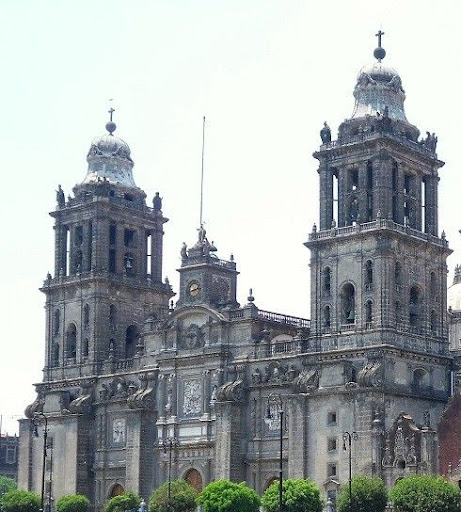
Colonial architecture continues to have a long-lasting influence on study planning and Urban development, especially in Pakistan. The colonial period lasted for nearly a century and was introduced not only by the architectural styles but also by the systematic approaches to Urban organisation. The majority of the cities in Pakistan, for example, have design principles that are now visible in their Civic layouts, public buildings, as well as their infrastructure patterns.
One of the most enduring legacies of colonial architecture still lies in the spatial organisation of the cities. The British established civil lines cantonments as well as our administrative quarters, which were carefully planned with roads, green spaces, and orderly zoning. This model created
a visible distinction between the administrative areas that were under the elite class, as well as the traditional indigenous settlements.
The strain was followed even after independence and shaped how the cities expanded. For example, especially in Lahore, the British had developed civil lines, and the market remained central to administrative and commercial activities. Similarly, the southern area in Karachi and Ravel Bendy’s continuments still function as major Urban centres reflecting the periodical and segregated planning style introduced by the British.
Furthermore, architecturally, the colonial buildings introduce forms that blend both the European and local design elements. For example, the Lahore Museum and Federal Hall in Karachi, as well as a government college University in Lahore, do showcase the Indo-Saracenic and Gothic revival styles that combine domes and stone facades with modern special arrangements. And even now, these are followed to an extent that even the modern architects in Pakistan often draw inspiration from these colonial symmetry proportions and the use of open courtyards, illustrating how deeply ingrained these aesthetics remain. And since our cities often replicate colonial planning models without questioning their relevance to contemporary needs, it leads to inequality, congestion and spatial segregation. And the challenge remains in reimagining these landscapes while preserving their beauty and adapting to a modern and inclusive urban life. Ultimately, colonial architecture weaves itself into our city’s fabric, a haunting, beautiful, and instructive presence. This reminds us that cities are living records of history and that they build the future wisely. We must learn from our past, not to copy it but to adapt it for future generations.