





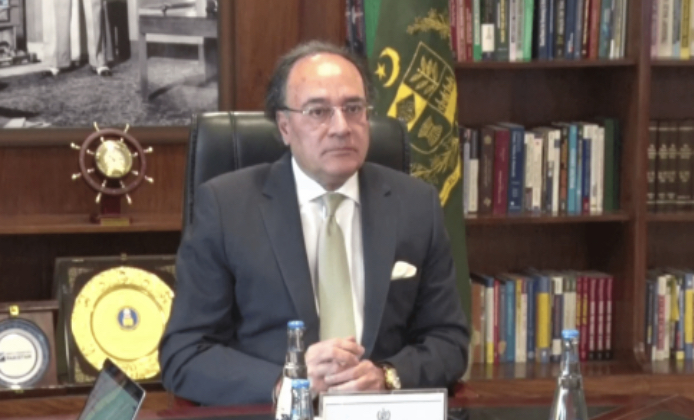
Finance Minister Muhammad Aurangzeb announced that Pakistan has achieved a primary budget surplus for the first time in 24 years, attributing this milestone to strict financial discipline and effective coordination between federal and provincial governments. This fiscal turnaround was bolstered by unprecedented profits from the State Bank of Pakistan, driven by record-high interest rates and petroleum levy revenues.
In a meeting with S&P Global Ratings, Aurangzeb outlined the government’s macroeconomic reform agenda, emphasizing ongoing initiatives in taxation, energy, state-owned enterprises, privatization, public finance management, and debt strategies. He highlighted institutional reforms such as the National Fiscal Pact, the operationalization of the National Tax Council, and the imposition of agricultural income tax, all aimed at enhancing resource efficiency and broadening the tax base.
The minister projected that the tax-to-GDP ratio would reach 10.6% by June, progressing toward the government’s target of 13% under the 37-month Extended Fund Facility with the IMF. Additionally, foreign exchange reserves are expected to rise to $14 billion by the end of June, supported by institutional inflows, strong remittances, and easing oil prices. Aurangzeb also noted positive trends in inflation and the current account deficit, contributing to overall economic stability.