





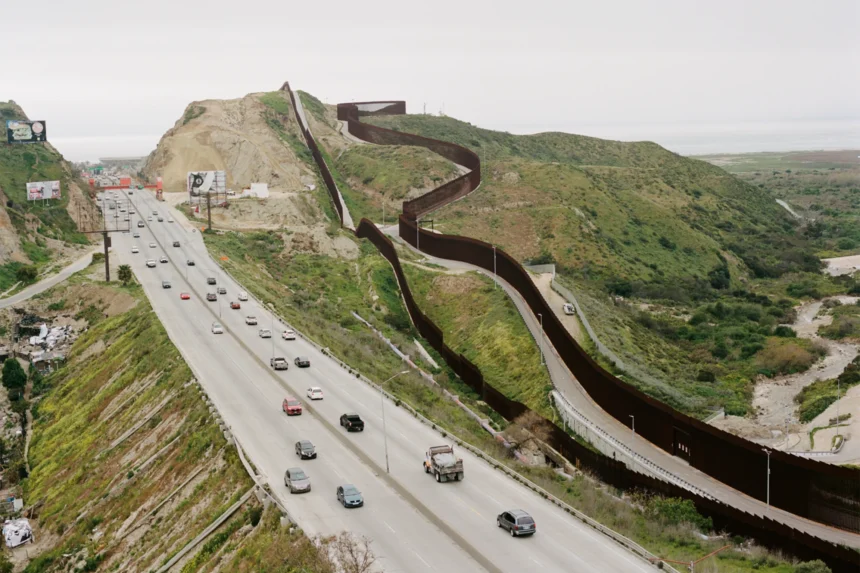
Borders are thin lines on maps, whereas in reality they are expansive spaces replete with narratives, movement, and multiple identities. The borderlands are not only the borders of the countries; they are places where cultures collide, mix, and even contradict each other. Life there can be quite different, in contrast to the country centres.
The identity is complicated among most of the borderland residents. There is the possibility of two or three languages, and the food, music, and tradition can be from both sides of the border. A lot of times, families have family up the line. Therefore, it is nationality, geography, and common culture that define belonging, not necessarily boundaries.
Borderlands are usually ignored in historical accounts. Governments prioritise capital and big cities, which leaves the edges under-represented. But these areas have been the site of migration, trade, and cultural exchange over centuries, and most of the communities did not emerge as modern borders were drawn.
In others, sides were drawn between previously united peoples by political actions or colonial treaties. Political actions or colonial treaties divided villages, lost trade routes, and tore families apart. Even nowadays, people recall that it was not that difficult to cross the territory.
Although these issues exist, borderlands tend to be centers of creativity and strength. Cultures change, and the markets sell goods of both nations. In normal-day interactions, languages are mixed, and during festivals, cultures merge. Through such interactions, distinct local identities are created that cannot be labelled as easy national identities.
Another factor that contributes to border life is the geography. Nature usually provides boundaries by the use of mountains, rivers, and deserts. These landscapes influence the nature of people travelling, trade and communication. In mountainous borderlands, e.g., the communities can be isolated for an extended time. Local traditions and languages can be preserved by means of this isolation.
Meanwhile, people can also be linked by geography. Rivers and valleys tend to become common grounds where business and cultural interaction thrive. In the past, most of the borderlands served as trade routes. Travellers, merchants, and storytellers went through these enclaves, which continue to have cultural effects to this day.
Political tension can also be experienced in borderlands, though. Essentially, checkpoints, the presence of the military, and strict rules might impact normal lives. To the locals, crossing the border might entail special permits or waiting hours. In certain areas, war has associated border areas with areas of confusion and fear.
But the inhabitants there still develop communities and form relations. Their real-life experiences indicate that boundaries do not entirely separate human relationships. Political boundaries are usually weak compared to cultural memory, language, and common history.
The knowledge of the borderlands can make us see the nations in a more multifaceted manner. Nations are not homogeneous areas with one identity. These consist of numerous regions, which are defined by various histories and landscapes. Borderlands help to remember that identity is movable, and it is impacted by geography, culture and experience.