





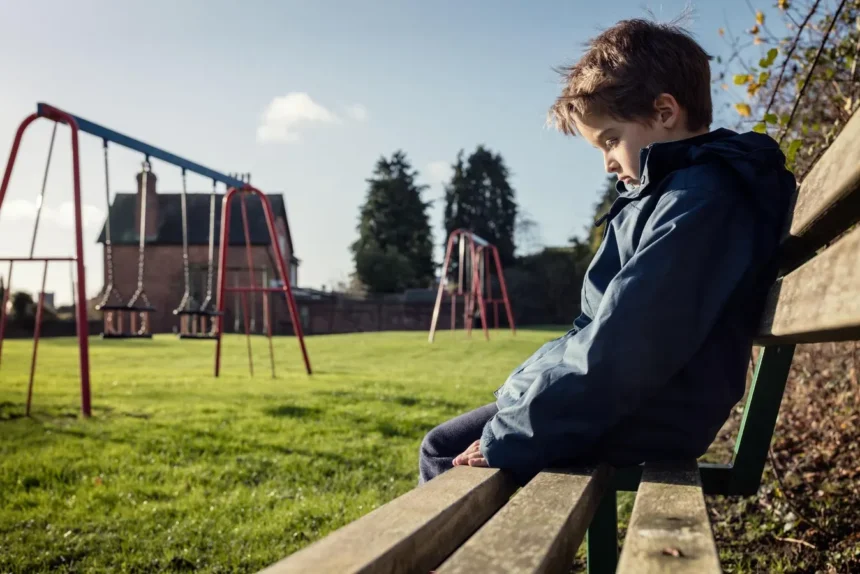
Where did the days of playing house disappear, and when did we begin drifting quietly into the corners of our own thoughts? Somewhere between growing up and growing silent, the carefree noise of childhood softened into the quiet weight of reflection. I was a child, yet it often felt as if an adult lived quietly within me. Even on ordinary days, there was a strange awareness sitting at the back of my mind. While others simply enjoyed the moment, I found myself noticing things I couldn’t easily ignore. I can’t point to a single day when it started; it just gradually became part of the way I thought. The noise of the streets, the games, and the careless joy of children my age mostly stayed outside. In the years meant for nothing but play, I often found myself sitting in quiet corners, watching life more than actually being a part of it.
Small things gradually began to carry weight they never had before. It no longer seemed like a simple childish wish to ask for something. Even before asking, a thought would appear: Do I really need this? Should I even say it? The excitement that once came so naturally started to fade earlier than it should. Slowly, every moment began to feel heavier with meaning, and quiet questions began to grow in the mind. Why? How? What? Somewhere in those silent thoughts, a realisation formed that perhaps maturity had arrived a little earlier than it was meant to.
The Moment Childhood Changes
There is a moment in life, sometimes so quiet it almost goes unnoticed, when childhood begins to shift into something heavier. A carefree child slowly becomes someone who observes more than they speak. The child who once laughed so easily starts noticing things they never paid attention to before. The change does not announce itself, but it leaves a deep mark.
The real shift happens when a child who once lived freely begins to watch the world more carefully. The carefree mind slowly turns into one that observes, thinks, and sometimes even worries about the things happening around it. Not because the child wants to carry those thoughts, but because certain realities begin to show themselves.
Without anyone directly asking, a sense of responsibility quietly settles in. Expectations appear out of nowhere and rest on shoulders that were never meant to carry them so early. These responsibilities do not announce themselves before entering. They simply arrive, and the child slowly learns to live with them. Sometimes the world itself reflects this truth. When you notice children standing at traffic signals or walking through crowded streets asking for a few coins, it becomes impossible not to contemplate how circumstances can change a childhood. Situations and crises around them force them to grow up earlier than they should have. It is a quiet reminder that maturity does not always come with age. At times, it arrives because life, in one way or another, asks a child to understand more than they were ever meant to.
Why Some Children Grow Up Too Early
Growing up too soon is not something a child is born with. It comes slowly, over time, shaped by what life puts in front of them. Maturity does not emerge spontaneously. It grows when a child faces challenges, when the world pushes them to learn things they are not ready for. Some of the main reasons children grow up too early are:
1. Financial Struggles
A child who grows up in a family that struggles with money quickly understands what compromise really means. When even something small, like a bicycle for a birthday, is out of reach, it stays just a wish. At that stage, the child begins thinking about the future, imagining a time when they can give their family the things they missed. Feeling that they have less than others teaches them to save, to think about limits, and to work hard for a life that feels stable. When wishes end, compromises start, and with them a quiet kind of maturity grows.
2. Family Conflicts
Fights and tension at home leave marks that a child feels even when no one else notices. Childhood can carry the weight of raised voices and quiet pain that goes unseen. Over time, the child learns to protect themselves, keeping thoughts and feelings inside, watching carefully, and expecting little from those around them.
3. The Overachiever Child
Children who are always told, ‘You can do it; you just have to try harder,’ grow up living with constant pressure. They are expected to always be strong, to meet every expectation, and to never show weakness. Mistakes feel heavier than they should, and even small failures weigh on them for a long time. They rarely ask for help and feel responsibility is always theirs to bear.
4. The Neglected Child
Some children grow up competing with their siblings for attention. Left out at home, they have no one to care for or notice them. They crave love deeply, and as a result, they learn to take care of themselves from an early age. This self-reliance is not taught; it comes from survival. Children who face neglect often mature faster because the world around them demands it. People and experiences start to feel distant, unfamiliar, and sometimes cold.
The Role of Trauma in Accelerated Maturity
Childhood is supposed to be a time of happiness, but not everyone gets that. Trauma changes a child. It does not wait. It makes them feel, notice, and understand things before they are ready. It pushes them to grow, not in years but in the quiet way they see and feel the world.
Children who face trauma start finding ways to survive. They become alert to what is happening around them, careful in their choices, and learn to handle things themselves. Some find comfort in people; others throw themselves into work, study, or hobbies to escape what hurts. Trauma teaches a child to read life early, to be aware of what is coming, and to grow in ways that childhood is not supposed to ask for.
Benefits of Early Maturity
Being mature early is not something to be sad about entirely. It brings lessons and shapes personality. It makes you stand on your own, face decisions with your own mind, and understand what is happening around you. You can be there for others when they need it, and people notice what you say and do. In addition, you start joining conversations that actually matter, not just gossip, and slowly learn how to handle your time, your responsibilities, and your life, even if no one guides you. Growing up this way often shapes children into capable adults who can lead with empathy and see the world more clearly.
Challenges of Early Maturity
At the same time, growing up too soon has its own weight. It can make you feel out of place with others your age because your mind, your worries, and the way you see the world are far ahead of theirs. Being emotionally aware can feel tiring, especially when problems feel heavier than you can carry. While friends talk about school dramas, you might be handling family issues, and it makes you feel disconnected and alone at times.
There is also the expectation from others that a mature child should always compromise, forgive, or move on, even when they are the ones being hurt. Sacrifices come early, and at a young age, these sacrifices can leave you feeling empty inside. Happiness may not stay for long, and the future might feel like a long road of responsibilities where you are expected to keep going without pause.
Maturity in South Asian Societies
In many South Asian societies, maturity is often seen as obedience. A mature child is expected to be silent, responsible, and self-sacrificing. Phrases like “Good children don’t complain” or “You are mature; you should understand” are common. Emotional needs are often ignored because the child is seen as strong and attention is only given when they do what is expected.
Over time, the child starts believing that being mature means adjusting to everyone else. They learn to stay quiet, handle things on their own, and not ask for much. Many such children slowly become the ones who solve problems in the family, even when they are still too young to carry that role.
Reclaiming Lost Childhood
Still, growing up early does not mean that childhood is completely gone. Occasionally it only needs a little space to come back. Being playful or a little childish with the people you trust is not something to feel embarrassed about. Laughing, savouring simple moments, and creating memories can gradually restore a portion of the past.
Strength does not always mean staying silent or carrying everything alone. It is also about allowing yourself to pause, to feel, and to live lighter moments without guilt. Even after growing up early, a person can still learn to discover joy again.
The child within does not disappear forever. Sometimes it is just waiting to be welcomed back.