




Bangladesh has announced plans to work with the United Nations and international partners to secure compensation for Rohingya Muslims affected by Myanmar’s 2017 military crackdown, following a historic judgment by the International Court of Justice (ICJ) holding Myanmar responsible for genocide.
Speaking to journalists in Dhaka on Friday, State Minister for Foreign Affairs Humaiun Kobir said the government would pursue diplomatic and legal avenues to ensure that Rohingya victims receive appropriate reparations for the atrocities committed against them.
Kobir emphasised that the ICJ’s judgment was final and could not be challenged through an appeal, describing it as an important development in efforts to secure justice for the persecuted community.
He said Bangladesh intended to coordinate closely with bilateral and multilateral partners, including UN institutions, to advance the implementation of the ruling and obtain compensation for those who suffered as a result of Myanmar’s actions.
The minister indicated that The Gambia, which initiated the genocide proceedings against Myanmar, was expected to raise the issue before the UN Security Council. Bangladesh, he added, would support relevant efforts through established UN mechanisms.
Addressing the future of Rohingya refugees currently living in Bangladesh, Kobir stressed that their eventual repatriation must be accompanied by credible guarantees of safety and security.
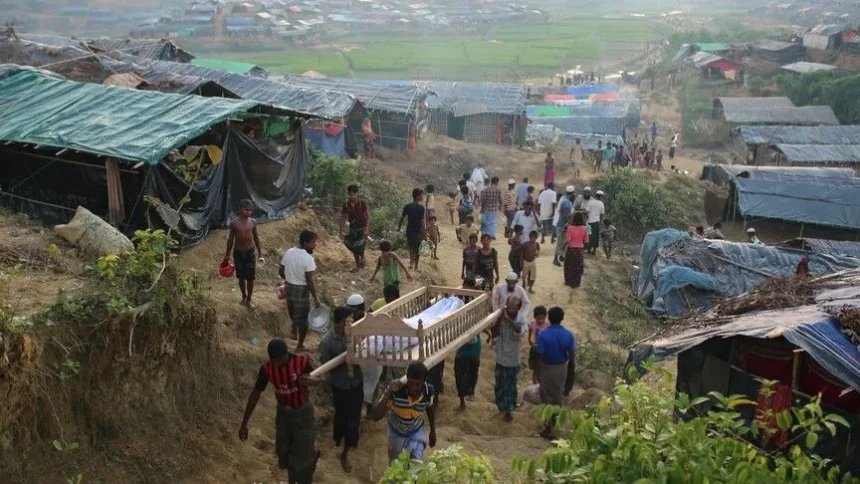
Bangladesh currently accommodates approximately 1.3 million Rohingya refugees in the southeastern district of Cox’s Bazar, with the majority having escaped Myanmar following the military operations launched in August 2017.
The minister cautioned against pursuing a hurried repatriation process without ensuring that conditions in Myanmar’s Rakhine State would allow returning refugees to live safely and rebuild their lives.
He maintained that returning refugees across the border without adequate protection would not constitute a meaningful or sustainable solution to their displacement.
Kobir said arrangements for repatriation would require close cooperation between Bangladesh, UN agencies and other international stakeholders, as several organisations would need to coordinate their responsibilities to ensure a safe and orderly return.
He also appealed for continued international humanitarian assistance for the Rohingya population, emphasising that support must be maintained until conditions permit their secure return to Myanmar.
The announcement followed Thursday’s landmark judgment by the UN’s highest court, which ruled that Myanmar had committed genocide against Rohingya Muslims during its 2017 military campaign in northern Rakhine State.
The ICJ reached its decision by a vote of nine to six, marking the first occasion on which the court has formally held a state responsible for committing genocide.
The ruling provides a significant legal foundation for efforts to secure accountability, reparations and conditions that would allow displaced Rohingya communities to return to their homeland safely.