





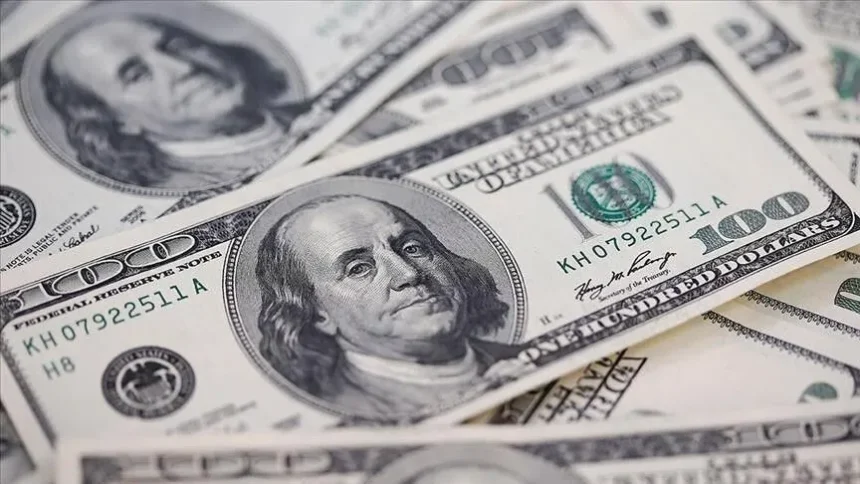
The US dollar weakened on Wednesday, with the dollar index falling below 101.5 to its lowest level in five weeks as investors assessed the potential economic and political consequences of Democratic gains in the US midterm elections.
Financial markets weighed the possibility of Democrats gaining control of both the House of Representatives and the Senate, a development that could significantly constrain President Donald Trump’s ability to advance his economic and legislative agenda.
A shift in congressional control could lead to political gridlock, making it more difficult for the administration to secure approval for spending measures and other major economic initiatives.
Investors also considered the prospect of tighter federal expenditure controls if Democrats use their congressional influence to challenge the administration’s fiscal priorities.
The possibility of increased regulation added to market uncertainty, particularly in the technology sector.
A Democratic-controlled Congress could pursue stricter regulatory frameworks for artificial intelligence and strengthen oversight of major corporations, potentially affecting business investment and longer-term economic growth expectations.
Such measures could introduce additional compliance costs for companies and influence investor sentiment towards sectors that have benefited from relatively limited regulatory intervention.
Meanwhile, geopolitical tensions remained another concern for currency markets.
Investors continued to monitor the possibility of renewed US military action against Iran following the elections, particularly as diplomatic negotiations between Washington and Tehran remained stalled.
The combination of domestic political uncertainty and unresolved international tensions contributed to pressure on the dollar as traders reassessed the outlook for US economic policy.
The dollar index, which measures the American currency against a basket of major international currencies, is closely watched as an indicator of broader market confidence in the US economic outlook.
Further movements in the currency are likely to depend on the confirmed congressional election results, subsequent policy developments and changes in geopolitical tensions.