





In April 2026, posters and celebrations across Pakistan marked what was hailed as one of the country’s significant diplomatic achievements: bringing two regional rivals to the negotiating table. At a time when international observers seemed pessimistic, Pakistan took on the responsibility of mediating. The single initiative shifted global perceptions regarding Pakistan’s diplomatic capacity.
Imagine how the international community might view Pakistan if it consistently experienced its music, landscapes, rich cultural heritage, and diplomatic mediation. As Joseph Nye defined it, soft power is the ability to obtain preferred outcomes through attraction rather than coercion. South Korea’s global influence clearly illustrates soft power’s role in contemporary statecraft. Korea’s international image was not accidental; it resulted from a deliberate state strategy. The Hallyu (Korean Wave) was a government-supported initiative that invested systematically in expanding global interest in K-pop, television dramas, and cinema.
Pakistan can draw a key lesson from this model: soft power must be actively constructed, not merely possessed.
Untapped Assets: From Sufi Heritage to Coke Studio
Pakistan possesses abundant cultural raw material — a diverse tapestry of regional traditions, culinary heritage, and Sufi history. Coke Studio stands out as a primary example of this soft power potential. Launched in 2008, it became an influential cultural export for the nation.
In presenting Pakistan as a modern, pluralistic society, cultural diplomacy serves as an effective counter-narrative to hostile propaganda. Furthermore, during the period between 2007 and 2014, when shrines across the country faced security threats, Coke Studio provided a resonant cultural response that highlighted the nation’s spiritual and musical traditions.
Pakistan’s role as a mediator between the United States and Iran demonstrated its capacity as a diplomatic actor. A key reason for Pakistan’s involvement was its position as a neutral intermediary with historical ties to both nations: Iran was among the first states to recognise Pakistan upon independence, while Islamabad has maintained long-standing diplomatic relations with Washington. This dual relationship provided the leverage necessary to facilitate dialogue.
Tourism as a Pillar of Cultural Diplomacy
While diplomatic mediation represents a notable milestone, soft power requires continuous policy backing rather than isolated initiatives. Alongside diplomacy, the tourism sector offers a direct mechanism for state projection. Every visitor acts as an informal ambassador, whose experiences shape broader public perceptions.
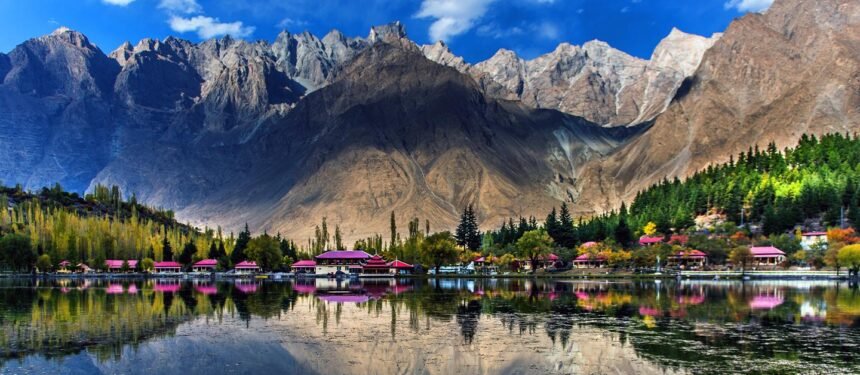
Positive momentum has built within Pakistan’s tourism sector. Under the Green Tourism initiative, the country recorded over one million foreign visitors in 2025 — representing an 820 per cent increase in tourist arrivals. International outlets, including the BBC and CNN, listed Pakistan among the top 25 travel destinations globally. Beyond perception, tourism contributes directly to the national economy, accounting for approximately 5.8 per cent of GDP in 2023.
Structural Challenges and Policy Imperatives
While Pakistan possesses the foundational elements to utilize soft power as an instrument of foreign policy, significant hurdles remain. Primary among these are security concerns, policy inconsistency, and institutional weakness. In particular, political instability and security challenges in Khyber Pakhtunkhwa and Balochistan present ongoing risks to the nation’s international image.
Addressing these obstacles requires institutional consistency, coordination, and governance reform. Pakistan holds the necessary cultural assets — from the Karakoram range and diverse regional traditions to Sufi music and an active global diaspora. To convert these assets into effective soft power, however, they must be systematically integrated into long-term national policy.