





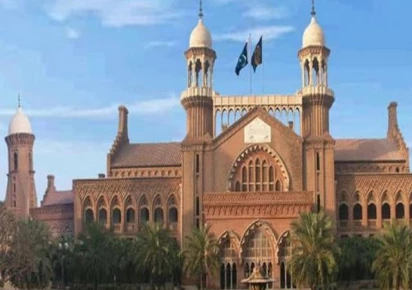
The Lahore High Court (LHC) on Tuesday sought further arguments on whether a petition challenging the detention of PTI founder Imran Khan’s sister Aleema Khan and her driver, Muhammad Ameer, under the Maintenance of Public Order (MPO) Ordinance was maintainable.
Justice Abher Gul Khan heard the petition filed by Aleema’s son, Shahrez Khan, challenging the detention orders.
During the hearing, the court asked the petitioner’s counsel whether he had first approached the relevant authority to challenge the detention. The lawyer responded that the circumstances of the case were different, arguing that the detention proceedings appeared to have been initiated only after Aleema and her driver had already been taken into custody.
He pointed out that the District Intelligence Committee (DIC) meeting and the issuance of the detention notification occurred on the same day.
“It appears that the arrest was made first and the DIC meeting was held afterwards,” the counsel argued, maintaining that the detention notification was issued after the arrests.
Justice Khan said the court would examine the matter and indicated that a decision on the petition’s maintainability could be reserved.
However, at the counsel’s request, the court adjourned proceedings until September 25 to allow further arguments.
Shahrez filed the petition through advocate Rana Mudassar Umar, challenging detention orders issued on September 20 by Lahore Deputy Commissioner Capt (retd) Muhammad Ali Ijaz against his mother and two aunts.
The petition alleges that the deputy commissioner issued the orders unlawfully and failed to follow the procedure prescribed under Section 3 of the MPO Ordinance.
It further argues that the detention orders contain no specific allegations and show no proper application of mind. The petitioner also contends that ordinary criminal law and less restrictive measures were not considered and that the grounds for detention were not communicated within the required period.
The petition maintains that the detention orders were issued only after the arrests had already taken place.