





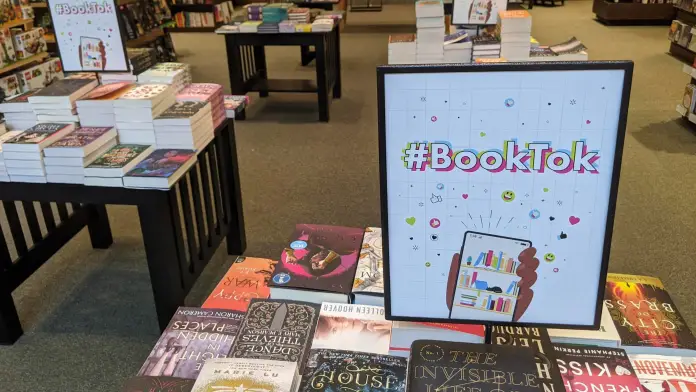
The algorithm once sold me a book I never actually wanted to read. I bought Never Lie by Freida McFadden for the same reason half of Pakistan seems to be buying books lately: because I could not stop seeing it gain attention online.
I did not open reviews or recommendations, nor did I look up an explanation on Google, simply because a girl on BookTok recounted its twists and plot points multiple times, insisting she had finished it in one sitting. Those videos convinced me entirely. So I bought the book, opened it, and did not enjoy it. It was not poorly written, but it simply was not to my taste.
And this is how a great deal of reading happens now. People no longer approach reading as a solitary, personal journey of discovery; rather, they catch a fleeting glimpse of a book or a title online from a video lasting under a minute.
BookTok, Bookstagram, and online reading clubs have transformed reading into a shared cultural activity, and many young people thoroughly enjoy it. Why young people? Because they no longer wish to sit in libraries discovering their interests and favourite genres, or wander around old bookshops brushing dust off the classics.
I have seen people recommending Elif Shafak’s novels whilst doing their skincare routine because they could not bring themselves to read prefaces or prologues. What used to be a personal, cosy hobby has now become performance, community, and content. In some ways, this represents a revival, considering that amidst rapid technological advancement, reading was thought to have died long ago.
I have seen shelves of Never Lie in bookshops empty out overnight because a title trended online. Independent bookshops that once relied on school or university curricula now generate sales without needing lengthy recommendation lists.
For struggling booksellers, this has proved to be a life-changing development, as foot traffic — which hardly existed five to seven years ago — is now driven almost entirely by algorithms rather than traditional newspaper reviews.
Besides booksellers, publishers too are adjusting their strategies. They print editions designed specifically with BookTok recommendations and Instagrammable covers in mind. New releases are sent directly to local bookstagrammers and BookTok creators, treating them in the same manner writers once treated literary critics whose opinions could make or break a release.
Reading clubs have also multiplied significantly in number. These communities often establish a home online before taking a physical form; WhatsApp groups frequently turn into monthly meetups where members gather to discuss books over coffee.
Cafes regularly host reading clubs on weekends, opening avenues for new readers and emerging writers to exchange thoughts and theories. Amidst all this, there is something genuinely moving about watching a generation — often told they do not read anymore — organising their own literary clubs and meetups and running full-fledged bookstagram accounts and critiques entirely on their own initiative.
Yet this same enthusiasm brings multiple anxieties. Critics argue that books are now celebrated primarily for isolated quotes, plot twists, and emotional intensity, rather than for literary craft.
It takes immense effort to write a book, yet a single scene of heartbreak can make it trend whilst its deeper themes go unnoticed. There is also the issue of diminishing attention spans: many readers now admit to prioritizing shorter, fast-paced books that promise immediate emotional payoffs because they have grown accustomed to short-form video content. Conversely, lengthier, more dense works struggle to find an audience in such a fast-paced digital ecosystem.
There is also a growing concern about what gets left behind. BookTok and reading clubs heavily promote international bestsellers whilst largely ignoring local literature, Urdu fiction, and regional languages in Pakistan.
Many emerging local writers face immense difficulties in reaching the right audience simply because they are not favoured by the algorithm. While some creators do promote Urdu literature and dedicate content to Pakistani authors, they remain a small minority in this algorithmic battle.
So is BookTok cultivating a true generation of readers, or is it simply manufacturing trends that burn out as quickly as they emerge? The honest answer is both.
Trends inevitably fade; today’s viral title may become tomorrow’s forgotten paperback. Yet those same trends have pulled young people in Pakistan back into bookstores and back into reading as a shared cultural activity rather than a forced obligation.
Whether this momentum turns into a lasting reading culture or a temporary trend will depend on what comes next. Perhaps BookTok can serve as a doorway for new readers to step into a shared world of literature — a spark that leads readers to places algorithms could never recommend.