



Culture, music, food, and art travel across the border faster than any diplomat could; however, in times of conflict, even these innocent things are forced to take a side. Following the invasion of Ukraine, performances by Russian conductor Valery Gergiev were cancelled across Europe; the decision was praised by some as a necessary act of solidarity, while criticised by others. This controversy raised a question: “Can art ever be separated from politics?”
There’s a famous quote that says, “If you love a book, never meet the author.” Because a wonderful piece of art deserves to be recognised, annotated, and must be taken advantage of, regardless of the moral beliefs of the writers. Even if Albert Einstein was a murderer, his equation e=mc² would still be taught in schools.
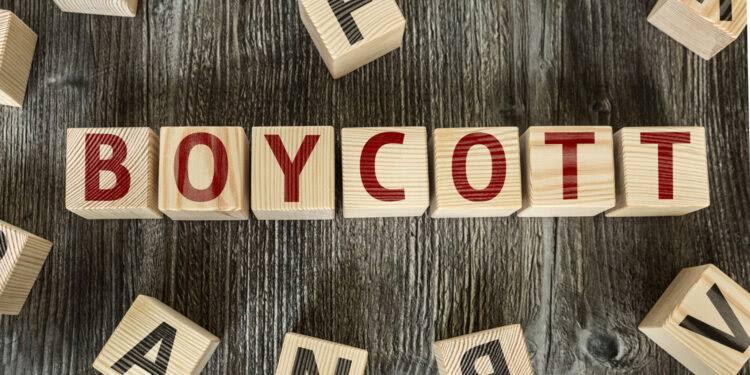
However, in today’s age, cultural boycotts are becoming increasingly common, as they exert pressure on the state and the individuals living within it without resorting to violence. It is the softest way to protest, yet the most effective—but often to the wrong people. The people in authority—the politicians —are barely affected by these boycotts, whereas innocent citizens, artists, and newly emerging souls suffer.
According to defenders of cultural boycotts, if we normalise art that supports unethical acts, it will lead to the implementation of those ideas in their region as well. Alongside that, a boycott sets clear boundaries of toleration. Boycott has always been the easiest and calmest way of protesting, which helped to achieve bigger things.
Must a singer be cancelled for the sole reason that he belongs to a country that supports genocide when he himself is not linked to it in any way? When his only fault is to be born in a country like that?
In the 1980s, South Africa became the centre of global attention due to apartheid—a system that enforced racial segregation and injustice on a massive scale. As political pressure against the regime increased, resistance did not remain limited to governments or economic sanctions; it entered the world of culture as well. Artists, musicians, and cultural institutions across the world began refusing to perform in South Africa or collaborate with its state-linked organisations. Artists performing in South Africa were immediately cancelled. What once seemed like harmless artistic exchange was suddenly transformed into a moral decision. Even a stage performance or a concert tour was no longer just entertainment—it became a statement.
Art and culture have now become another battlefield for politics.
Yet—cultural boycotts only bring suffering and don’t change the beliefs of the ones who are being boycotted. One such example can be taken from the life of Prophet Muhammad (PBUH). During the early years of Islam, the Quraish violently abused the Prophet and his newly reverted companions. However, when they failed to make Muslims abandon their beliefs, they boycotted the Banu Hashim tribe. It lasted three years—which was accompanied by severe hunger. Despite all this, the Quraish never achieved its purpose,
There’s no doubt that boycotts affect thousands of lives; however, those lives are mainly the innocent ones, who were never involved in the unethical conduct. Therefore, a fine line must be drawn between the culture and the people to whom the culture belongs because excluding a nation from social activities will never make politicians accountable. At the same time, it will confine artists to a very limited space of their own, making them question their fate. By the end of the day, art was never meant to choose sides, only to remind us that something beyond sides still exists.