



Pashmina is an heirloom passed on for generations and archived in vintage, timeworn trunks. It originates from a Persian word, ‘pashm’, which literally means ‘wool’.
Centuries ago, Mir Syed Ali Hamdaani pioneered this fibre in the nestled lands of Ladakh, where the Changtangi (or Changra) goats grow this fleece as an undercoat to protect themselves from severe weather conditions. This valuable finding caught the Mughal emperors’ eyes, particularly Akbar’s and Shah Jahan’s, who became deeply fascinated by the soft, fine-textured cloth and, therefore, named it ‘pash-i-mina’ — meaning ‘soft gold’.
Pashmina’s mosaic of threads not only kept the fabric together but also held a million stories. Following its mediaeval mastery in the Mughal courts, pashmina captivated the hearts of Europeans post the inauguration of the EIC trade, bridging subcontinental culture and the European nobility. Making its mark in history, Pashmina brought global attention to the intricate work of the Kashmiri craftsmen.
When Luxury Becomes an Imitation
However, the rising production and a surge in marketing undermined the authenticity of the product and craftsmanship. Today, with hundreds of synthetic imitations — made from acrylic, viscose, and polyester — we have forgotten not only the pure Pashmina fabric but also the authentic craftsmanship and the rich heritage that gave this timeless fabric its origin.
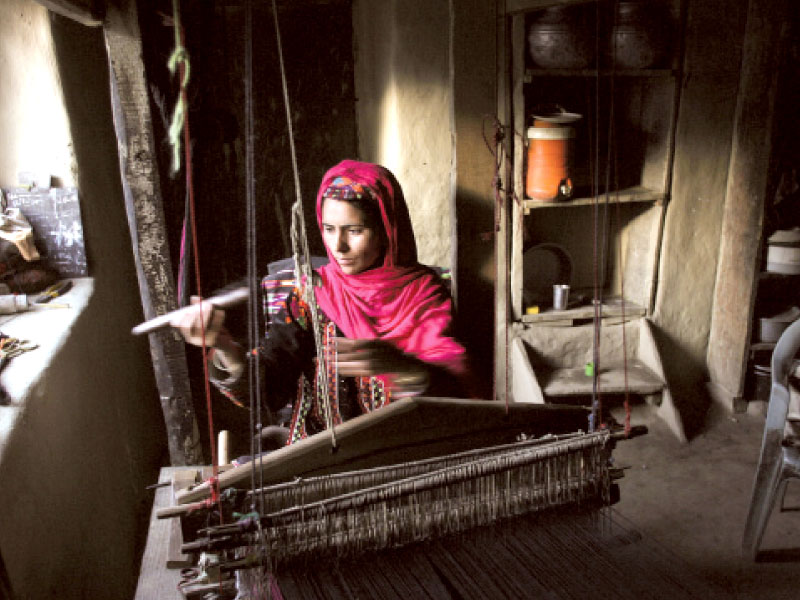
Mass retailers manufacture low-cost, machine-made replicas, benefiting from cheaper production costs and faster processing, propelling rapid market growth worldwide. The replications have therefore significantly impacted Kashmiri artisans, causing either a drastic decrease in their income or leaving them unemployed. This influx of low-cost fabricated fabric has not only affected the craftsman but also harmed the entire region’s economy that is largely based on traditional handicrafts and souvenirs.
Artisans abandoning their ancestral craftsmanship, spanning across the world for over centuries, is a discontinuation of a lineal continuum of skill and identity. And the fading of this authentic craftsmanship is not only because of a mere extinction of tradition and culture but also negligence shown by us as consumers who favour convenience over authenticity.
Recognising Authentic Pashmina
Hence, it has become our utmost responsibility to revive this legacy, essentially requiring awareness, in order to actively support the heritage of Pashmina.
Therefore, to serve this purpose, it is imperative that we identify the characteristics of the authentic fabric. Pashmina is a lightweight fabric with a soft and buttery texture. It is typically very thin and has a delicate shine and lustre, giving it a luxurious appearance. To test the fabric’s authenticity, one can perform the feel, burn, and smell tests. To feel it should be very supple, smooth, and finely textured. To test its burning, one can burn a corner of the fabric to see pure Pashmina burns slowly. The authentic fabric would smell like burning hair; any remnants of synthetic fibres would smell like chemicals or plastic.
Establishing provenance for Pashmina is more than just a technical exercise but has become a moral responsibility to preserve the pieces of history, heritage, and culture. Every effort we will put in to examine the subtle uniqueness and imperfections of the pure fabric, we will be honouring the human hands behind it. This assertion of legitimacy will enable us to give the heritage back for their patience, which has been refined over generations in those ancestral highland communities where this craft is not merely work but identity.
Thus, if we let our negligence replace the identity of those who have preserved this tradition over decades, we will fail as the custodians of history and its origins. Because traditions fade when they are no longer valued, no longer sought, and no longer understood, supporting Pashmina means allowing Kashmiri craftsmanship to remain relevant and their legacy to continue breathing in every thread.
This was genuinely a great read. Very insightful and thought provoking. Looking forward to reading more of your articles!
this is so informative! absolutely amazing
Highly informative and thought provoking….. keep it up
I’ve always had so many questions about pashmina, and this was such a satisfying read because it finally answered a lot of what I’d been wondering for years. I especially appreciate the details on how one can actually tell real pashmina apart from imitations. It does make me wonder though, with so few artisans left who know this craft, is there a real effort to pass these skills on to a younger generation, or is this knowledge at real risk of disappearing in the next few decades?
Brilliant Read! Great to see this topic finally getting some recognition.
Lovee itt! It was highly informative,waiting for your new articles!!
This is a great argument to convince everyone to be more conscious of their consumption habits, actively support and prioritise local and indigenous artistry over fast-fashion, ugly counterfeits.