





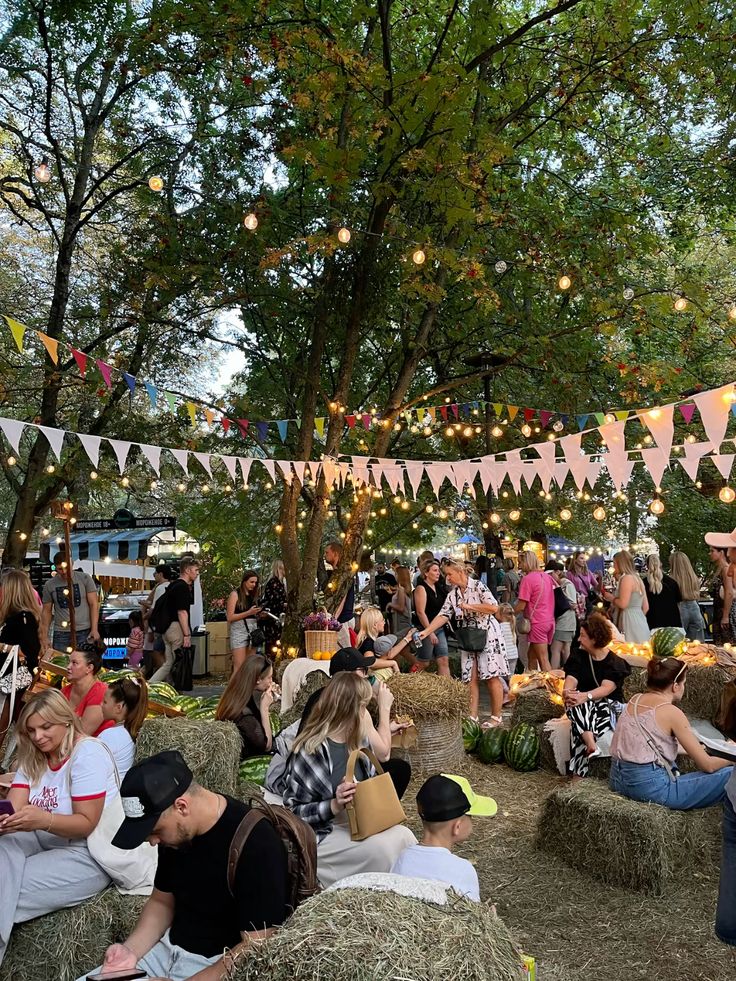
Roof-tops full of laughter, the smell of festive food in the air, music echoing through the streets; Festivals have always been a place of shared celebrations. Food, gatherings, celebrations, gifts, and music brought people together to celebrate. Culture unfolded slowly while communities celebrated together. Festivals were about the cultural experience, places where people gathered and made memories that lasted a lifetime.
Nowadays, micro-events have replaced festivals. Short-paced events that capture attention quickly. What used to be spread over days and weeks is now transformed into brief, shareable moments.
A micro event is a small-scale event consisting of 10-100 people, organised in a cost-effective way. It’s a short-term event and is camera-perfect. It’s highly suitable for content creation: reels, Instagram posts, and social media updates. It’s designed for people living in urban hell, a 2-hour event amidst their tight schedules, offering immersive experiences. Often, you see influencers promoting such events, offering what many consider maximum clout. They feel rushed and urgent, like it’s a one-time opportunity that shouldn’t be missed.
Back in the days, festivals unfolded slowly. They stretched over days and even weeks. People used to plan in advance. Family and friends travelled from far-off places. Extensive preparations were carried out: food, accommodation, gifts and clothes; everything was planned out. Families used to make elaborate menus to cater to everyone’s taste. It was more like a shared ritual; people shared the same culture, same interests, deep connections and everlasting memories. Festivals fostered emotional connections and community bonds, thus creating emotional attachment.
Recently, Lahore’s sky came to life when the government announced the return of Basant after 20 years. Basant is a festival that marks the arrival of spring, celebrated with a kite-flying festival. The government carried out an extensive three-day plan to mark its return. Institutes all over the city were closed down, with strict rules and regulations to ensure safety. The rooftops were filled with people, neighbours having competitions. People from all over Pakistan travelled to Lahore to attend the event. People gathered, celebrated, and shared food and stories. For three days, the city laughed, and the skies were lit up with beautiful kites.
When events become shorter, they also become forgettable. With no emotional context behind them, events lose their essence and become frequent. People experience them, capture them, post them and move on. Crowds tend to prefer quick experiences over long commitments. For most people, a two-hour event that fits between their work schedule and classes is bliss. Micro events are often designed for content creation and quick interactions.
Urban life is busy and overwhelming; attention spans are constantly shrinking, and people chase dopamine. This cycle has given rise to microevents that last barely 2–3 hours and disappear by midnight. Micro-events are temporary, have lower entry levels, small crowds, and are often established on private property. This gives people a sense of exclusivity, that they are a part of something special. These events come with certain drawbacks: communication barriers, limited engagement, and no sense of belonging. People tend to participate, document it for social media, and then forget about it. These events are designed to be shareable, aesthetic and Insta-worthy, as if they exist for the camera only.
In contrast, micro events have incredibly positive impacts too. Oftentimes, creative people tend to stay away from large crowds; here’s where the dynamic is flipped. It encourages engagement and performance under no pressure. It gives creative liberty and a sense of community, a great opportunity for introverted people. Organised with a small budget, they offer personalised experiences. These spaces can be a giant opportunity. Here the secret lies in the balance. Events should be exciting but also meaningful.
The rise of micro-events isn’t a threat to our culture and community. They have just transformed into creative and accessible events for audiences that want to engage with people and art on a small scale. However, when events are frequently occurring and repetitive with no depth behind them, they lose their essence and risk becoming forgettable. After all, festivals aren’t about the entertainment but rather the experience.