





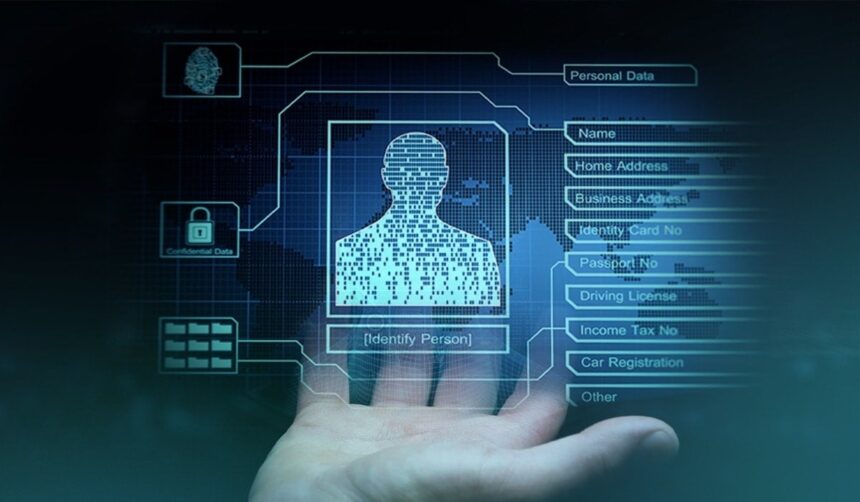
In the new digital era, identity is not limited to a card in your wallet. It is turning into a key to everyday life. Individuals are now required to have a digital identity to open bank accounts, access government benefits, access healthcare, and enroll in school. These systems are sold as inclusion-based tools that will bring millions into the formal system.
But the truth is more complicated. Weakly developed digital identity systems may cause new exclusions. Instead of opening doors, they can even close them to the most vulnerable.
Digital identity is a digital certification of who you are. It may include biometric data, including fingerprints or facial recognition. It can also entail personal details in a database or a mobile phone. The systems are used to verify identities fast and securely by governments and organisations.
At first glance, digital identity systems appear to be a practical solution. There are many individuals in the world who do not have formal documents of identity. They are unable to obtain financial services, social programs, or even legal protection without evidence. The digital identity systems are designed to address this gap. They assist individuals in quick registration and faster service delivery.
However, design matters. To begin with, there is the issue of accessibility. Not all people have a smartphone, stable internet, or are digitally literate. Digital systems may be problematic in rural communities, old age, and among low-income groups. In case services are based solely on digital identity platforms, these groups could be sidelined.
Another challenge is the reliability of biometric systems. Fingerprints might not read in the case of manual workers whose hands have become rough. Facial recognition can be ineffective with certain ethnicities or in low light. The failure of technology can make the population unable to receive basic services, including food aid or medical services.
Major concerns are privacy and data protection. There is a lot of personal information stored in digital identity systems, including biometrics, contact information, and other sensitive records. Weak security may result in data leakage, theft, or misuse. Many fear that their information might be transferred among institutions. Some fear that the systems would increase surveillance in the absence of clear rules and protections.
The other important issue is the government. The identity system is controlled by whom? How is data used? Do citizens feel safe as a result of clear rules? Digital identity programmes can undermine the trust of people without transparency and accountability.
Digital identity systems should be based on some principles to be inclusive. First, systems must support several identity verification techniques. It is risky to use biometrics only. There should be other alternatives in case of a failure of technology.
Second, systems must operate online and offline. This allows individuals in distant locations or with limited connection services.
Third, governments should focus on good data protection policies. People need to be aware of how their data is processed and be able to control it.
Lastly, human support is to be kept in place. Online resources are not meant to substitute human interaction, but rather to complement it.
Digital identity systems can increase opportunities when planned properly. They facilitate access to banking, education, healthcare, and social protection. Inclusion, however, does not occur automatically. It should be carefully designed, with policies, and constant monitoring.
Inequality cannot be resolved only by technology. The structure of the system determines whether it gives power to people or not. In case inclusion is the goal, people have to be the centre of digital identity.