





Some time ago, the food we ate always came with a story. The karahi made in a neighbour’s kitchen came with its recollection of the preparation method. You could tell by how the ginger was cut; the careful thought put into turning tomatoes into a gravy or not; and the meticulously chosen green chillies how much love was put into it. You knew who cooked it and that it was just a part of the whole dish being shared among the family and friends.
Nowadays, that karahi comes in an airtight container, via an app, and is made in a windowless kitchen without any witnesses. The story of its making has been edited out. There is no personal connection anymore.
The Architecture of Anonymity
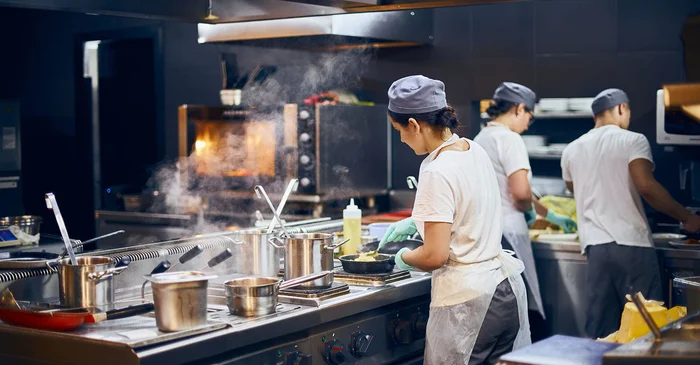
Ghost kitchens, otherwise known as cloud kitchens or virtual kitchens, are made exclusively to deliver food. They have no windows in their shops, no seating area, and no walk-in customers. They are usually located in industrial facilities, cellars, or the backrooms of restaurants that have been repurposed to accommodate delivery orders. Some chefs even operate various brands within the same cooking space, with different online identities and menus and a unique aesthetic, all of which are cooked in the same fryer.
The economics are seductive. There are no overhead charges on prime real estate or front-of-house personnel, so margins are raised. In the absence of physical table bounds or volume of orders, these kitchens represent the survival of a sector pressed under increased rents and smaller margins.
But the question is survival for whom?
The Erasure of Food Histories
Each cuisine and dish is separated from its memories. The technique used to fry spices in hot oil, the sequence of added ingredients in the pot, and the time taken to cook it are not just technical directions. They are the oral traditions handed over by hands that have learned to hands that will learn.
Once the cooking is taken out of sight into an enclosed space, that transmission is broken. The chef will follow a standardised recipe fit for hundreds of orders. Little differences that improve a dish are welcome. The extra pinch of cumin, a reminder of the cook’s mother, and the slight burn on the naan, which signals experience rather than training, illustrate the cook’s skill.
The question is not whether ghost kitchen food is unsatisfactory On the contrary, it tastes really excellent sometimes. The question is what it loses when taste is emancipated.
The Trust Economy
There has always been an element of trust in dining out. You trust that the kitchen is clean, the food is fresh, and the chef is skilled. Such trust is founded on visibility: you can see the restaurant, gauge its health, see whether it is busy, and perhaps even peep into the kitchen through a service window.
Ghost kitchens eliminate visibility. The customer deals with a brand, a menu, and a promise. The customer cannot see the physical location where food is prepared. Trust has become entirely abstract and is based on ratings and reviews rather than direct observation.
This abstraction is important since food is personal. It enters our bodies and is incorporated in us. The time gap between preparation and consumption is not just a geographical one but is a relational one. When we do not know who prepares our food, we deprive ourselves of something vital with regard to the process of being fed.
Who Benefits?
The ghost kitchen economy is more focused on the concentration of power, which any food justice advocate should be interested in. Delivery platforms combine customer information, regulate visibility, and establish terms that dictate the success of different kitchens. The owners of restaurants get addicted to the algorithms that are not clear to them. Cooks are reduced to cogs found in machines, which lack dignity but are efficient.
The platforms claim to be democratising access to it, giving small operators the ability to access customers without costly shopfronts. Yet democracy needs to be transparent. A non-democratic system is one where customers do not see kitchens, and cooks do not see customers. It is exclusively extractive.
The karahi that was once cooked in the neighbour’s kitchen with love, connection, and traditional spices is reduced to efficiency, invisibility, and food reviews on delivery sites.