





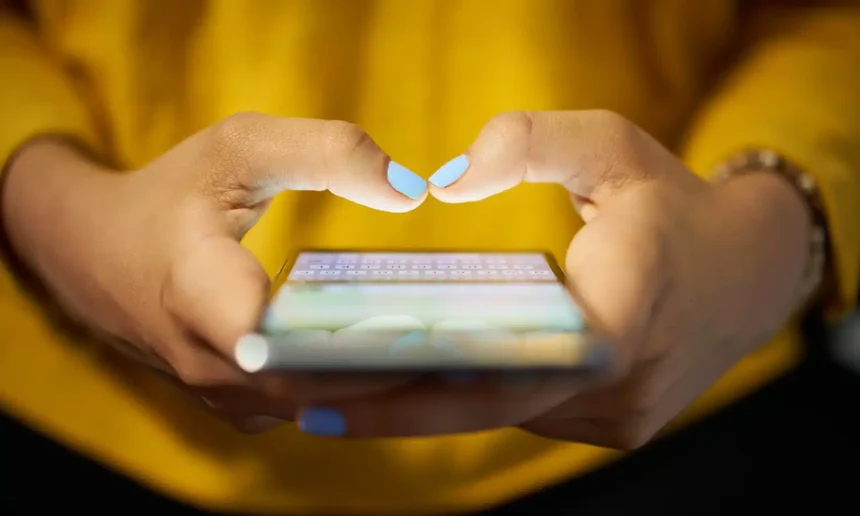
February 2026. Meta faced a major legal challenge when a girl named KGM filed a case against the company. She stated that she is 20 and has been using Instagram for 16 hours daily since she was 9 years old. Using YouTube, TikTok and Instagram has led her to addiction, anxiety, depression and body dysmorphia. This was not the first legal case filed against Meta. The Antitrust lawsuit (2020) and youth mental health/addiction lawsuit (2023) are the prior examples of legal actions launched against meta by judiciary of many states across the U.S.
Social media platforms, Snapchat, Instagram and Facebook, have become major channels for people to connect with others, communities, companies and businesses. These platforms provide people with nearly limitless opportunities to bond with others. These platforms have become a major tool for people to express themselves and create one’s social identity. Using these online platforms has become a part of daily life, and along with that, they do affect different aspects of human life, i.e., work, lifestyle, physical and mental health.
A study conducted by Bekalu and colleagues at Harvard found that routine use of social media was positively associated with social well-being, mental health and self-rated growth. Using social media and sharing updates on these platforms give people a sense of reassurance. The same study also found that emotional connection and excessive use of these platforms led to lower levels of physical, mental, and social well-being.
Being human, we are wired to connect. But social connections have become drug-ified by social media apps, making us vulnerable to compulsive overconsumption of these platforms. They are engineered in a way to keep the audience active on the platform. And to maintain their activity on these platforms, companies use different tactics, like infinite scrolling, algorithm-based content, and personalisation of content according to users’ interactions on the platforms. This attention economy business tries to keep the users active and engaged.
Calling this social media usage an “addiction” is still under debate by mental health professionals and researchers. But the fact is, once the user is on the platform, they find it hard to put the phone down. Neuroscientific studies have shown that social media usage stimulates the same molecular paths as any other substance addiction or behavioural addiction does. Being on social media, getting likes on the shared posts and videos makes the users “feel good”. As a result of this positive feeling the “feel-good hormone” called dopamine is being released. The dopamine release makes the person receive a reward for action; once the reward is being repeated, they shape the action in a more permanent way and also pushes to want more of this gratification, and it becomes a habit — regardless of it being good or bad. People feel good when their post or story is being liked by others and people comment on their posts. This prompted many to post again in the hope of another dose of dopamine. As a result, the social reinforcement circle is ready, and it exploits people’s vulnerability.
What makes people get so connected with these social media platforms? Besides the appealing and addictive features of these platforms, there are many individual factors that lead to the overuse. FOMO (fear of missing out) is identified to be highly linked with social media addiction. The ones who tend to live through others online often suffer from FOMO, which leads them to excessive social media use. Besides that, other factors identified by psychologists are anxious attachment style, personality traits (introversion and extroversion) and neuroticism.
Not a single factor can be determined solely as the reason for this overuse. Also, it is almost impossible today to avoid social media; one way or other, everyone is using the platforms in their daily life. But conscious and responsible use of these platforms should also be promoted by the service-providing companies and consumers as well, to protect psychological, physical and social wellbeing. Meta’s lawyers have proposed that family dynamics and many other personal factors are the reason behind the psychological problems among youth, not the social media platforms. The final decision of the cases filed against these platforms is yet to come, but the harmful effects of these platforms are clearly observable and are bright as daylight.