





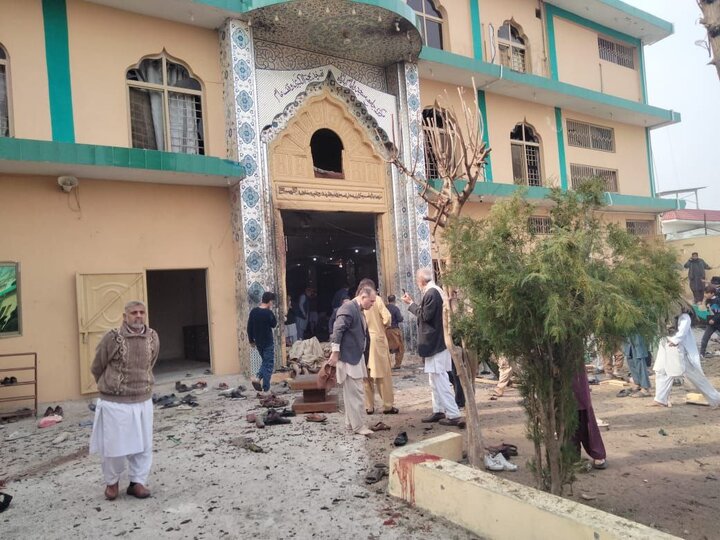
Islamabad’s Imam Bargah Khadijah-Al-Kubra became a charnel house as soon as the Friday prayers ended in a suicide blast. The smoke cleared; over 36 Shia Muslims lay dead, with 171 injured. Rescue workers sifted through rubble strewn with prayer caps and desperate cries for help, a testament to the community’s recurring trauma.
In the attack’s aftermath, a usual script unfolded. Condemnations from the presidency to Parliament: senior officials suggested the possible involvement of foreign actors, a familiar narrative that fits geopolitical anxieties.
Yet for Pakistani Shias, who have buried their dead in every province, this is a continuous trauma. As Andreas Reick notes in Shias of Pakistan: An assertive and beleaguered minority, the most lethal threats to Shias are often homegrown, nurtured over generations. Shias aren’t marginalised in a political or legal sense; they have served as prime ministers, army chiefs, and federal ministers, but where faith meets safety, they are highly vulnerable. This minority isn’t targeted for lacking rights but for their interpretation of Islam, which is branded heresy by violent extremists.
This lethal ecosystem has a history rooted in the 1980s with the creation of Sipah-e-Sahaba, a sectarian militant group born during the time of Zia-ul-Haq, and its more violent offspring, Lashkar-e-Jhangvi, as the execution arm. These aren’t one-night-created gangs but networks rooted in deep social and ideological narratives, surviving governmental bans and international terrorism designations.
These networks operate with grim efficiency. When one leader falls, another emerges; when pressure intensifies in Punjab, the network shifts to Karachi. Foreign powers have an equal share in the roots of these systems, but they entrench domestically by exploiting the social and economic background of the region.
Pakistan’s state relationship with these groups has been fatally conflicting. It changes with the regime change in Pakistan. Once Azam Tariq, the head of SSP, became a Parliament member in 1991, while at other periods of intense counter-terrorism pressure, such as the 2014 Peshawar APS massacre, temporary lulls can occur. But these operations rarely turn down the ideological assembly lines: the sermons, the pamphlets, and the manifesto, which clearly mentions the assertive minority, the Shias, as Kafirs.
The state has too often treated these groups as policy tools to manage regional proxy wars and other threats rather than a critical poison in the national bloodstream.
The Islamabad attack again rejected the failed approach blatantly. Lasting security will not come from solely tracking the shadows of foreign interference. It demands the inward task of dismantling the homegrown assembly line of hatred. Such an effort means consistent, unbiased enforcement of laws against all militant groups, not selective crackdowns. Most of all, it calls for political courage to declare that no Pakistani faith makes a legitimate target. Until this happens, the pattern of attack, condemnation, conspiracy theory, and silence continues. The real tragedy is not what happened, but that no one is surprised anymore, as history has labelled the Shias a beleaguered and assertive minority.