





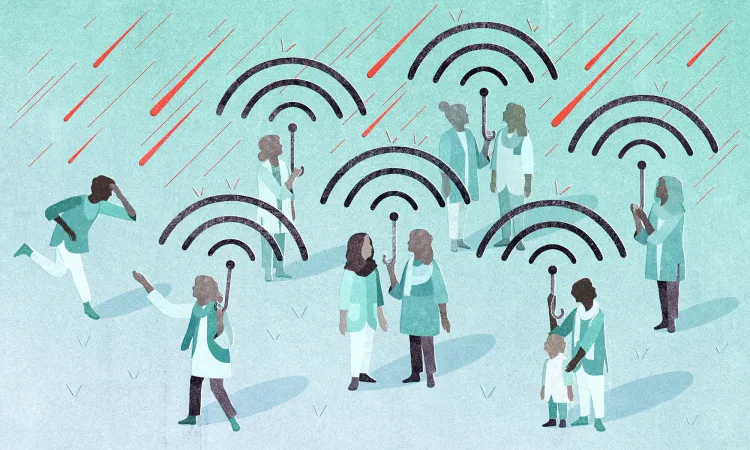
To the generation of screen kids, the internet must be something like home. However, the online space is not a place of liberation, but rather a terrain of vigilance for most young women. Each of its posts is checked twice, each message is measured, and each profile is edited not only to be expressed but also to be safeguarded. It is a conceivable truth that the digital world is being touted as a place of equalisation and empowerment. Still, a darker reality is that young women worry about being online more than men, and they are justified in being worried.
Exposure is at the centre of this fear. Online spaces blur the lines between public and personal life, leading to daily experiences of vulnerability. The harassment, unsolicited messages, stalking, and threats are disproportionately applied to young women, who are often sexualised and often persistent. An image supposed to express a positive attitude toward something might be used to share judgment; a statement might be used to receive abuse. Women are more prone to attacks, which prevent not their ideas but their bodies, morality, or safety, as opposed to men. The web is getting logged, there are screenshots being shared, and the threat of eternity increases the possibility of free speech.
This is not paranoia because this is learnt behaviour. Women are being trained in digital self-surveillance since their childhood: do not share your location, do not respond to strangers, and do not share so much. Whereas men are advised to occupy space on the internet – debate, provoke, establish personal brands – women are advised to downplay themselves. The outcome is some gendered digital etiquette in which silence is safety. It is not that many young women do not have opinions, but rather that being visible is a price.
There is the emotional labour of being online, also. Algorithms prioritise interaction; however, for women, interaction can involve dealing with aggression. Blocking, reporting, explaining, and defending are all in order of the day. This alertness gradually destroys trust and happiness. The internet makes one tired, not empowered. It is not only a fear of being attacked, but it is a fear of being misunderstood, misrepresented or turned into a comment section caricature.
Paradoxically, the platforms that claim to bring about connection recreate inequalities offline. The norms of patriarchy do not melt away on the internet; on the contrary, they multiply. Rude behaviour is faceless, cruelty is viral, and responsibility is evasive. The fear of being online is a reflection of a bigger truth in the case of young women: safety is conditional, and freedom is negotiated.
But it is not a failure to realise this fear. It is a challenge to re-architect the digital spaces – to insist on better moderation, on more robust and more effective policies and on cultures that secure and do not silence. And the digital suspicions are not yet eradicated. With young women, it is no longer, what do I want to say? But is it safe to say it here?