





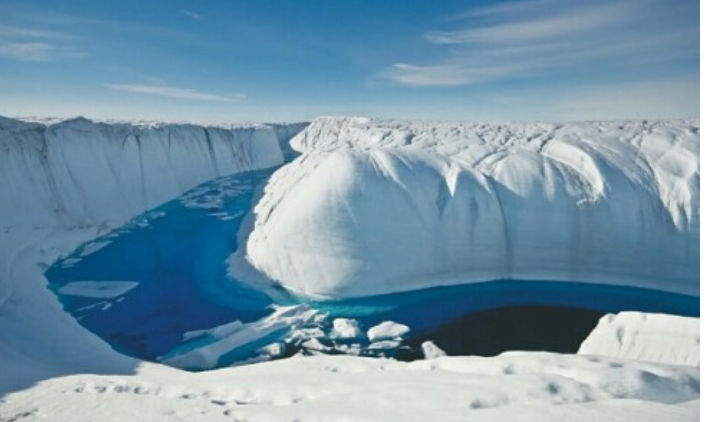
A heatwave in May caused Greenland’s ice sheet to melt at an astonishing rate—17 times faster than its long-term average—according to the World Weather Attribution network . Simultaneously, Iceland recorded record-breaking May temperatures exceeding 26 °C, some 13 °C above normal .
Scientists attribute this intense heat to climate change, which made the event 3 °C hotter and up to 40 times more likely compared to pre-industrial conditions . Earlier melting extends the Greenland ice season, increasing freshwater flow into the ocean—potentially disrupting currents like the Atlantic Meridional Overturning Circulation—and contributing to global sea-level rise .
Additionally, the thaw endangers Arctic infrastructure and Indigenous subsistence lifestyles, prompting concerns over flood risks, road damage, unsafe travel, and ecosystem disruption .
This dramatic Arctic warming highlights the urgent need for stronger climate action, as it carries far-reaching implications for global sea-level rise, weather patterns, and vulnerable communities.